Supporting the nutritional needs of autistic children requires patience, creativity, and the right tools. Many kids on the spectrum face sensory sensitivities, picky eating habits, or digestive challenges that make it difficult to maintain balanced hydration and nutrition. These hurdles can lead to gaps in essential vitamins, minerals, and protein—key building blocks for growth, cognitive function, and overall well-being.
The good news? Thoughtfully designed drinks and nutritional aids can bridge these gaps without triggering resistance. Whether it’s a tasteless multivitamin that dissolves unseen into a favorite beverage or a protein boost that blends seamlessly into a smoothie, the right products make a measurable difference. For families exploring inclusive play options, pairing these with sensory-friendly nutrition strategies can further enhance daily routines.
Below, we’ve curated five standout solutions—from supplements to communication tools—that help parents ensure their children stay hydrated, nourished, and thriving.
Why Nutrition & Hydration Matter for Autistic Children
Autistic kids often experience unique nutritional vulnerabilities. Research from the CDC highlights that children with autism are more likely to have selective eating patterns, which can lead to deficiencies in critical nutrients like iron, vitamin D, or protein. Dehydration is another common concern, as some children may not recognize thirst cues or resist drinking due to texture or temperature sensitivities.
Key nutritional priorities for autistic kids:
- Hydration: Prevents fatigue, constipation, and cognitive fog.
- Protein: Supports muscle growth and repair, especially for active or underweight children.
- Iron & Vitamins: Essential for energy, immune function, and developmental milestones.
- Gut Health: Emerging studies suggest a strong gut-brain connection, making digestive support a priority.
A common mistake is assuming that "eating something" is enough. In practice, even calorie-dense diets can lack micronutrients if they’re heavily restricted to a few foods. That’s where targeted supplements and smart hydration strategies come in.
5 Best Drinks & Nutritional Aids for Autistic Kids
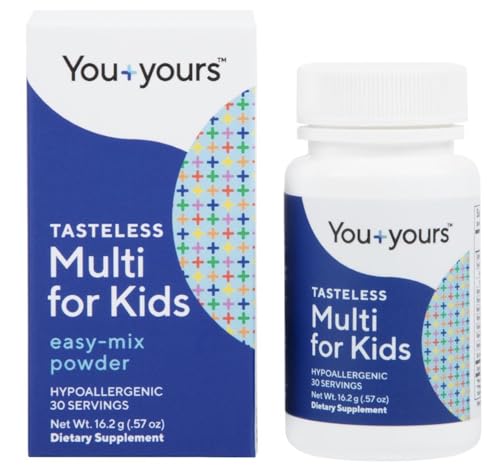
1. Tasteless Multivitamin Powder for Kids & Toddlers
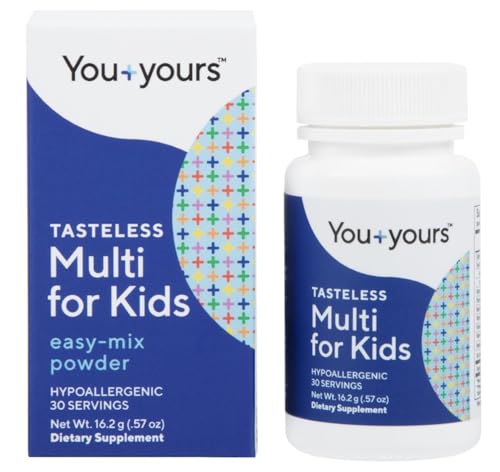 Image source: Amazon
For parents of picky eaters, a multivitamin that disappears into drinks or soft foods is a game-changer. This powder delivers 9 essential nutrients—including vitamins A, C, D, and B-complex—without altering taste, color, or texture. It’s vegan, non-GMO, and free from the top 8 allergens, making it a safe choice for children with sensitivities.
Why it works for autistic kids:
- No sensory triggers: Dissolves completely, avoiding texture or flavor aversions.
- Flexible use: Mix into water, juice, applesauce, or even yogurt.
- Allergen-free: No gluten, dairy, nuts, or artificial additives.
Practical tip: Start with a half-dose to test tolerance, then adjust as needed. Many parents report success by stirring it into a small amount of liquid first, then adding the rest of the drink to ensure even distribution.
Ideal for: Families prioritizing a no-fuss way to fill micronutrient gaps.
2. Healthy Heights Grow Daily Kids Protein Drink Mix (Plain)
 Image source: Amazon
Developed by pediatricians, this flavorless protein powder packs 12g of high-quality whey protein per serving, along with 16 essential vitamins and minerals. It’s designed for children ages 3–9 who need extra support for growth, whether due to picky eating, high activity levels, or weight gain challenges.
Key benefits:
- Clinically studied: Shown to support healthy growth in children with nutritional gaps.
- No added sugars or corn syrup: Avoids ingredients that may trigger behavioral sensitivities.
- Versatile: Blends into milk, smoothies, or baked goods like pancakes.
Considerations:
- Contains whey (dairy), so it’s not suitable for children with dairy allergies.
- Each canister provides 7 servings—plan for regular reordering if used daily.
Pro tip: For dairy-sensitive kids, pair this with a sensory support tool to create a calming routine around mealtimes.
3. Tasteless Iron for Kids & Toddlers (4-Month Supply)
 Image source: Amazon
Iron deficiency is a frequent issue for autistic children with limited diets, often leading to fatigue or poor concentration. This supplement uses ferric glycinate—a highly absorbable, gentle form of iron that’s less likely to cause stomach upset. The powder is tasteless and dissolves easily into drinks or soft foods, providing 15mg of elemental iron per serving.
Why parents love it:
- Gentle on the stomach: No metallic taste or constipation (common with other iron supplements).
- Long-lasting: 120 servings per bottle cover 4 months.
- Allergy-friendly: Free from gluten, soy, dairy, and nuts.
Safety note: Always consult a pediatrician before starting iron supplements, as excessive intake can be harmful. Monitor for signs of improvement (e.g., increased energy, better focus) within 4–6 weeks.
4. Safety Walking Harness for Big Kids (Ages 6–12)
 Image source: Amazon
While not a drink itself, this harness indirectly supports hydration and nutrition by making outings safer and more manageable. The 2026 model features a hidden pouch perfect for stashing a water bottle, juice box, or snacks—ensuring your child has easy access to their preferred drinks on the go.
Standout features:
- Adjustable fit: Grows with your child (chest: 24.4"–34.64").
- Reinforced handle: For emergency situations or crowded spaces.
- Autism awareness pin: Included as a subtle show of support.
Real-world impact: Parents of elopement-prone children report fewer meltdowns during outings, as their kids can independently access drinks and snacks without needing to stop and unpack a bag. Pair this with a fun activity to make hydration part of the adventure.
5. American Sign Language for Kids: 101 Easy Signs for Non-Verbal Communication
 Image source: Amazon
For non-verbal or minimally verbal children, communication barriers can lead to frustration—and missed cues for thirst or hunger. This ASL guide teaches 101 practical signs, including "drink," "water," "juice," and "hungry," empowering kids to express their needs clearly.
How it helps with nutrition:
- Reduces guesswork: Caregivers can respond quickly to requests for specific drinks or foods.
- Builds confidence: Kids feel heard, reducing meltdowns linked to unmet needs.
- Portable: Keep the book in the kitchen or dining area for easy reference during meals.
Getting started: Focus on 5–10 high-priority signs first (e.g., "more," "all done," "please"). Use the sign while saying the word aloud to reinforce learning. For additional engagement, explore AI learning tools that incorporate sign language.
Practical Tips for Encouraging Hydration & Nutrition
Overcoming Sensory Challenges
- Temperature matters: Some autistic kids prefer drinks at specific temperatures (e.g., only ice-cold water or room-temperature juice). Experiment to find their preference.
- Straws and cups: Try different textures (e.g., silicone vs. metal straws) or weighted cups for stability.
- Color and clarity: If your child dislikes cloudy liquids, opt for clear or lightly colored drinks. Conversely, some kids prefer vibrant colors—use natural dyes like beet juice for a fun twist.
Sneaky Nutrition Boosters
- Smoothie packs: Blend spinach (mild taste) with frozen mango and a scoop of protein powder for a nutrient-dense drink.
- Homemade "milkshakes": Mix a tasteless multivitamin into a banana-milk blend for a creamy, appealing texture.
- Ice pops: Freeze diluted juice or coconut water into popsicle molds for a hydrating treat.
Routine & Reinforcement
- Visual schedules: Use a picture chart to include "drink time" as part of the daily routine.
- Social modeling: Drink water together as a family during meals or activities.
- Positive reinforcement: Celebrate small wins (e.g., "You tried a new drink—great job!").
FAQs: Hydration & Nutrition for Autistic Kids
Q: How much water should my autistic child drink daily? A: The general guideline is about 5–8 cups (1.2–1.9L) for ages 4–13, but needs vary based on activity level, climate, and diet. Watch for signs of dehydration (dark urine, dry mouth, fatigue) and adjust accordingly. Some kids do better with small, frequent sips rather than large amounts at once.
Q: My child only drinks juice. How can I transition to healthier options? A: Gradually dilute juice with water over time (e.g., start with 75% juice/25% water, then adjust the ratio). Offer water in a fun, special cup reserved only for that purpose. You can also infuse water with fruits like berries or cucumber for a subtle flavor.
Q: Are there risks to using tasteless supplements long-term? A: Tasteless supplements are generally safe if dosed correctly and made from high-quality ingredients. However, long-term use should be monitored by a pediatrician to avoid excess intake of fat-soluble vitamins (A, D, E, K) or minerals like iron. Regular blood tests can help track levels.
Q: What are the best drink options for a child with gut sensitivities? A: Consider:
- Coconut water: Natural electrolytes, no added sugars.
- Herbal teas (caffeine-free): Chamomile or ginger can soothe digestion.
- Probiotic drinks: Kefir or water-based probiotics (if dairy is tolerated).
- Homemade rehydration solutions: Mix water, a pinch of salt, and a touch of honey or maple syrup for electrolytes.
Q: How can I tell if my child’s picky eating is affecting their health? A: Red flags include:
- Slow weight/height gain or loss.
- Fatigue, pale skin, or frequent illnesses (possible iron or vitamin deficiencies).
- Constipation or digestive issues (may indicate low fiber or hydration).
- Behavioral changes (e.g., increased irritability, which can stem from hunger or nutrient gaps). When in doubt, consult a dietitian who specializes in autism or a pediatric gastroenterologist.
Conclusion
Nutritional support for autistic children isn’t one-size-fits-all, but the right drinks and aids can remove barriers to hydration and balanced diets. Whether it’s a tasteless multivitamin to fill micronutrient gaps, a protein boost for growth, or an ASL guide to improve communication around needs, small changes can yield big results in energy, focus, and overall health.
Your next step: Start with one product or strategy from this list that aligns with your child’s biggest challenge (e.g., if hydration is the issue, try the safety harness with a drink pouch or an infused water bottle). Track progress for 2–3 weeks, then adjust as needed. For more ideas, explore essential products for health recovery to support your child’s well-being holistically.