

When your child needs antibiotics, the prescription itself is just the first step. The real challenge often begins after the first dose: managing side effects, protecting their gut health, and supporting their body’s natural recovery. While only a pediatrician can determine the right antibiotic for a bacterial infection, parents can take proactive steps to ease the process and help their child bounce back stronger.
This guide covers 10 carefully selected products that address the most common concerns during and after antibiotic treatment—from probiotics that safeguard gut flora to nutritional support and first-aid essentials. We’ll also clarify when antibiotics are truly necessary, how to minimize side effects, and what red flags to watch for. Because when it comes to your child’s health, knowledge and preparation make all the difference. For more on this, see our guide on 7 top picks for kids screen time fun.
Understanding Antibiotics: What Parents Need to Know
Antibiotics are powerful medications designed to fight bacterial infections, but they don’t distinguish between harmful invaders and the beneficial bacteria in your child’s gut. This imbalance often leads to side effects like diarrhea, nausea, or yeast infections. According to the Centers for Disease Control and Prevention (CDC), at least 28% of antibiotic prescriptions for children are unnecessary, contributing to antibiotic resistance—a growing public health concern.
Key facts to remember:
- Antibiotics only work against bacteria, not viruses (e.g., colds, flu, most coughs).
- Common bacterial infections in kids requiring antibiotics: strep throat, some ear infections, UTIs, and bacterial pneumonia.
- Always complete the full course, even if symptoms improve, to prevent resistance.
- Side effects are common: Up to 30% of children experience antibiotic-associated diarrhea.
A common mistake is stopping antibiotics early because the child feels better. In practice, this can allow surviving bacteria to adapt, making future infections harder to treat. For a deeper dive into managing childhood illnesses, our blog covers practical tips for parents. For more on this, see our guide on unlocking japans nature 5 essential items for exploring.
The 4 Pillars of Support During Antibiotic Treatment
Before diving into product recommendations, let’s outline the core areas where supportive care makes a difference:
- Gut Health Protection – Probiotics to replenish good bacteria.
- Nutritional Support – Easy-to-digest, nutrient-dense foods to aid recovery.
- Symptom Management – Products to address diarrhea, dehydration, or discomfort.
- Prevention & Preparedness – First aid and hygiene tools to avoid secondary infections.
Top 10 Essential Products for Kids’ Recovery
1. Culturelle Kids Probiotics with LGG
Best for: Pediatrician-recommended gut protection
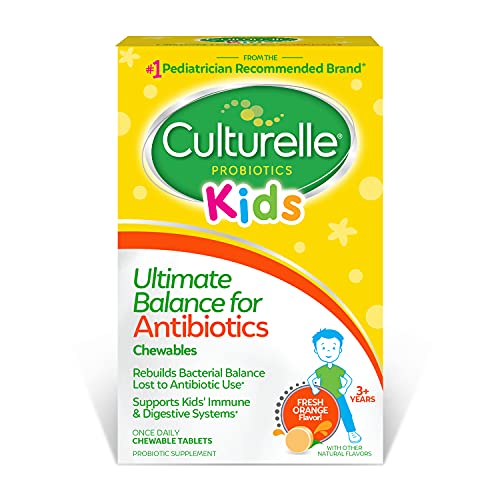 Chewable probiotics with Lactobacillus rhamnosus GG (LGG) for antibiotic support.
Antibiotic-associated diarrhea affects up to 30% of children taking these medications. Culturelle Kids Probiotics uses Lactobacillus rhamnosus GG (LGG), one of the most studied probiotic strains for children. Clinical trials show LGG can reduce antibiotic-related diarrhea by up to 70% when taken concurrently.
Why it works:
- LGG strain is naturally resistant to stomach acid, ensuring it reaches the intestines.
- Chewable tablets with a mild berry flavor—no swallowing pills.
- Free from sugar, dairy, gluten, and GMOs.
How to use:
- Start on the first day of antibiotics and continue for 1–2 weeks after.
- Dosage: 1 tablet daily for kids 3+ (consult a pediatrician for younger children).
Parent tip: If your child struggles with chewables, the powder form (mixed into applesauce or yogurt) is equally effective. For more on this, see our guide on 5 top best west end musicals for kids.
2. Florastor Kids Probiotic (Saccharomyces boulardii)
Best for: Taking with antibiotics (not killed by them)
 Unflavored powder sachets that can be mixed into drinks or food.
Most probiotics are bacteria—and antibiotics kill bacteria. Florastor Kids contains Saccharomyces boulardii CNCM I-745, a yeast-based probiotic that’s naturally resistant to 16 common antibiotics, including amoxicillin and penicillin. This means it can be taken at the same time as antibiotics without being destroyed.
Key benefits:
- Prevents and reduces antibiotic-induced diarrhea.
- Shelf-stable (no refrigeration needed).
- Unflavored, so it blends seamlessly into juice, milk, or soft foods.
Dosage:
- 1–2 sachets daily (depending on age) during and after antibiotics.
Note: Not suitable for children with yeast allergies or those on antifungal medications.
3. Replenish the Good Kids Probiotics (Multi-Strain + Time-Release)
Best for: Comprehensive gut flora restoration
 Tiny pearls with 5 clinically studied strains and BIO-tract time-release technology.
For parents who want a broad-spectrum probiotic, Replenish the Good offers a 5-strain blend (including L. acidophilus and B. infantis) with a patented BIO-tract delivery system. This ensures 15x higher survivability through stomach acid, so more beneficial bacteria reach the intestines.
Why it stands out:
- Vegan, gluten-free, and non-GMO.
- No refrigeration required (great for travel).
- Supports immune function beyond just digestion.
Best for: Kids who’ve finished antibiotics and need long-term gut rebalancing.
4. DiaResQ Colostrum Drink Mix
Best for: Fast diarrhea relief
 Natural colostrum-based powder for rapid digestive support.
When diarrhea hits, hydration and electrolyte balance are critical. DiaResQ uses bovine colostrum—a nutrient-rich pre-milk fluid packed with antibodies, growth factors, and immune proteins—to restore normal intestinal function within hours.
How it works:
- Binds to pathogens in the gut, reducing diarrhea duration.
- Replenishes electrolytes lost during digestive upset.
- Safe for ages 1+ and can be taken with or without food.
Dosage:
- 1 packet mixed in 4 oz of water at the first sign of diarrhea, then 1–2 more packets as needed.
Parent feedback: Many report relief within 6–12 hours, making it a staple for travel or post-antibiotic recovery.
5. Voyager Organic Toddler Milk (Shelf-Stable)
Best for: Nutritional support on the go
 USDA Organic powdered milk for travel or emergencies.
Antibiotics can reduce appetite, but protein and calories are vital for recovery. Voyager Toddler Milk provides organic whole milk powder with vitamin D and calcium, designed for ages 1–5.
Why it’s useful:
- No refrigeration needed—perfect for travel, daycare, or emergencies.
- Pediatrician-developed with no added sugars, GMOs, or palm oil.
- Grass-fed cow source for higher omega-3s.
How to use:
- Mix 1 packet with 4 oz of water for a nutrient-dense drink.
Note: Not a breastmilk or infant formula substitute.
6. StBernard Kids First Aid Kit
Best for: Preventing infections from cuts and scrapes
 Compact, kid-friendly first aid kit for minor injuries.
Minor wounds (like scraped knees) can introduce bacteria that may require antibiotics if untreated. A well-stocked first aid kit helps clean and protect injuries before they escalate.
What’s inside:
- Adhesive bandages (fun designs to reduce fear).
- Antiseptic wipes (iodine swabs to clean wounds).
- Scissors, tweezers, and gloves for safe care.
- Cartoon manual teaching kids basic first aid.
Pro tip: Keep one in your car, diaper bag, and home for quick access.
7. Cicatricure Skin Recovery Kit (Triple Antibiotic Ointment + Scar Gel)
Best for: Wound care and infection prevention
 Dual-action kit for healing cuts and minimizing scars.
For cuts, scrapes, or burns, a topical antibiotic ointment (like the triple antibiotic in this kit) can prevent bacterial infections before they start. The scar gel then helps reduce long-term marks.
When to use the ointment:
- After cleaning the wound with soap and water.
- Apply 1–3 times daily until healed.
Safety note: Avoid on deep wounds or animal bites—see a doctor instead.
8. Serenity Kids Baby Food Pouches (Ethically Sourced Meat)
Best for: Immune-supporting nutrition for babies
 Protein-rich, savory baby food pouches for immune support.
Good nutrition builds resilience against infections. Serenity Kids pouches are high in protein and healthy fats (from grass-fed bison, chicken, or beef) and low in sugar, unlike many fruit-heavy baby foods.
Why it matters:
- Supports immune function with zinc, iron, and B vitamins.
- No artificial ingredients or added sugars.
- Clean Label Project certified (tested for 400+ contaminants).
Best for: Babies 6+ months starting solids.
9. Willow/Garlic Oil Herbal Drops
Best for: Natural immune support (with caution)
 Herbal liquid blend for general wellness.
Important disclaimer: Herbal remedies cannot replace antibiotics for bacterial infections. However, some parents use willow bark (natural salicin) and garlic (allicin) for mild immune support during cold season.
Safety first:
- Consult a pediatrician before use (garlic can interact with medications).
- Not for infants under 1 year.
- Stop if any adverse reactions occur.
10. Probiotics vs. Antibiotics T-Shirt
Best for: Fun conversation starter about gut health
 Playful design highlighting the gut health "battle."
While not a health product, this educational t-shirt can help normalize discussions about gut health with older kids. It’s a lighthearted way to reinforce the importance of balancing antibiotics with probiotics.
Great for:
- Health-conscious families.
- Gifts for pediatricians or nutritionists.
How to Choose the Right Probiotic for Your Child
Not all probiotics are created equal. Here’s a quick comparison of the top strains for antibiotic support:
| Probiotic Strain | Best For | Can Be Taken With Antibiotics? | Form |
|---|---|---|---|
| Lactobacillus rhamnosus GG (LGG) | Diarrhea prevention, gut balance | ❌ No (take 2–3 hours apart) | Chewable, powder |
| Saccharomyces boulardii | Antibiotic-associated diarrhea | ✅ Yes (resistant to most antibiotics) | Powder sachets |
| Multi-strain (L. acidophilus, B. infantis, etc.) | Long-term gut health | ❌ No (take separately) | Tiny pearls, capsules |
Pro tip: If your child is on multiple antibiotics, Saccharomyces boulardii (Florastor) is the safest choice.
Additional Support Strategies
Hydration & Electrolytes
- Offer fluids frequently: Water, oral rehydration solutions (ORS), or coconut water (natural electrolytes).
- Avoid sugary drinks (juice, soda), which can worsen diarrhea.
Diet During Antibiotics
- BRAT diet (Bananas, Rice, Applesauce, Toast) for mild diarrhea.
- Yogurt with live cultures (if dairy is tolerated).
- Bone broth for gut-healing nutrients (collagen, glycine).
Monitor for Red Flags
Contact your pediatrician immediately if your child experiences:
- Severe diarrhea (more than 3 watery stools in 24 hours).
- Blood in stool.
- High fever (over 102°F / 38.9°C).
- Rash or difficulty breathing (possible allergic reaction).
FAQ: Antibiotics and Kids’ Health
Q: What’s the "best antibiotic for kids"?
There is no universal "best" antibiotic—it depends on the specific infection. For example:
- Amoxicillin for ear infections or strep throat.
- Azithromycin for bacterial pneumonia.
- Cefdinir for UTIs. Always follow your pediatrician’s prescription.
Q: Can I give my child probiotics with antibiotics?
Yes, but timing matters:
- Saccharomyces boulardii (Florastor): Can be taken at the same time.
- Other probiotics (LGG, multi-strain): Take 2–3 hours apart from antibiotics.
Q: How long should my child take probiotics after antibiotics?
- Minimum: 1–2 weeks after finishing antibiotics.
- Ideal: 4–6 weeks for full gut microbiome recovery.
Q: Are there natural alternatives to antibiotics?
No. For bacterial infections, antibiotics are medically necessary. However, preventive measures (good hygiene, nutrition, probiotics) can reduce the need for them.
Q: Can my child develop antibiotic resistance?
Yes. Overuse or misuse (e.g., not finishing the course, using for viral infections) contributes to resistance. The CDC reports that 1 in 3 antibiotic prescriptions in kids are unnecessary.
Q: What’s the best way to give antibiotics to a child who refuses?
- Mix with a small amount of applesauce or yogurt (check with pharmacist first).
- Use a syringe (for liquid forms) and aim for the cheek to avoid choking.
- Never mix with milk or juice (can affect absorption).
Final Thoughts: A Holistic Approach to Recovery
Antibiotics are a powerful tool when used correctly, but they’re just one part of the equation. Supporting your child’s gut health, nutrition, and immune system can make the difference between a smooth recovery and a prolonged struggle with side effects.
Your action plan:
- Give probiotics (Florastor or Culturelle) from day one of antibiotics.
- Monitor for side effects and hydrate aggressively if diarrhea occurs.
- Prioritize nutrient-dense foods to aid recovery.
- Keep a first-aid kit handy to prevent secondary infections.
For more on kid-friendly health tech, check out our guide on top smart air quality monitors for children’s rooms—because a healthy environment is just as important as the right supplements.
Remember: When in doubt, your pediatrician is your best resource. With the right support, your child can recover faster and stay healthier long after the antibiotics are done.