

Every child deserves playtime that sparks joy, builds confidence, and supports their growth. For kids with disabilities, the right toys can do even more—enhancing development, encouraging engagement, and fostering a sense of belonging. Thoughtfully designed toys can transform play into a powerful tool for learning, sensory exploration, and social connection.
This guide explores the best toys for kids with disabilities, highlighting options that deliver sensory, cognitive, and social benefits. Whether you're a parent, educator, or therapist, you’ll find practical insights to help choose toys that align with a child’s unique needs and abilities. For more ideas on inclusive tech and play, check out our blog.
Why the Right Toys Matter for Kids with Disabilities
Play is a critical part of childhood development, but for children with disabilities, the right toys can make an even bigger impact. These specialized playthings are designed to:
Enhance Motor Skills: Toys that encourage grasping, manipulating objects, or movement help develop fine and gross motor skills. For example, sensory pads with small shapes can improve hand-eye coordination, while larger play sets promote balance and mobility.
Support Sensory Integration: Many children with disabilities benefit from toys that provide tactile, visual, or auditory feedback. These can help regulate their nervous system, reduce anxiety, and improve focus.
Boost Cognitive Development: Problem-solving toys, cause-and-effect games, and imaginative play sets stimulate cognitive growth. They help children understand relationships, sequences, and creative thinking.
Foster Social-Emotional Learning (SEL): Toys that represent diverse abilities or emotions help children develop empathy, self-awareness, and social skills. They can also build confidence by allowing kids to see themselves reflected in their play.
Encourage Inclusivity: Inclusive toys normalize diversity, helping all children—regardless of ability—feel represented and valued. This fosters a sense of acceptance and community.
For a deeper dive into how technology can support inclusive play, explore our guide on a reliable machine for interactive learning.
Key Considerations When Choosing Toys
Selecting the right toy involves more than just picking something fun. Here’s what to keep in mind:
Age vs. Developmental Stage: While age recommendations are helpful, a child’s developmental stage is more important. Choose toys that challenge them without causing frustration.
Safety and Durability: Opt for non-toxic, sturdy toys with no small parts if your child tends to mouth objects. Durability ensures the toy lasts through active play.
Sensory Needs: Does your child seek or avoid certain sensations? Select toys that provide appropriate tactile, visual, or auditory feedback.
Skill Development: Target specific areas like fine motor skills, cognitive processing, or social interaction. For example, a sensory pad can improve hand-eye coordination, while play figures encourage imaginative storytelling.
Engagement: The toy should capture your child’s interest to encourage sustained play. Open-ended toys (those with multiple uses) often stimulate creativity more effectively.
Accessibility: Ensure the toy is easy for your child to use independently. Features like large buttons, high-contrast colors, or adaptive designs can make a big difference.
For more on adaptive tech, check out our guide on top-rated brewers for interactive learning.
5 Best Toys for Kids with Disabilities
1. Get Ready Kids Friends with Disabilities Play Figures
 Inclusive play figures designed to teach empathy and diversity.
These adorable figures introduce children to diverse abilities, helping them learn about disabilities, safety, and community through imaginative play. Each set includes multicultural characters that encourage inclusive storytelling, making them perfect for classrooms, daycares, or home play.
- Key Features:
- Promotes early empathy and understanding of diverse abilities.
- Durable, well-sized for small hands (5" x 2" x 2").
- Suitable for ages 18 months and up.
- Pros:
- Encourages inclusive play scenarios.
- Great for multicultural learning environments.
- Cons:
- Simple figures may require additional accessories for elaborate play.
- Limited sensory input.
User Impressions: Parents and educators love these figures for sparking conversations about differences and helping children appreciate diversity.
2. Creative Minds Marvel Education Diverse Abilities Toy People
 Diverse toy figures featuring characters with wheelchairs, canes, and eyepatches.
This set of six figures takes inclusive play further by featuring characters with physical challenges. Designed to foster positive awareness, these toys help children with disabilities feel seen and accepted while encouraging open-minded play.
- Key Features:
- Boosts confidence by allowing children to identify with characters.
- Made of durable vinyl, sturdy for active play.
- Tallest figure measures 5" (ages 3+).
- Pros:
- Normalizes physical challenges through representation.
- Excellent for classrooms and daycares.
- Cons:
- May be too advanced for very young toddlers.
User Impressions: Teachers praise these figures for facilitating discussions on diversity, while parents appreciate their impact on self-esteem.
3. hand2mind Colors & Shapes Sensory Pad
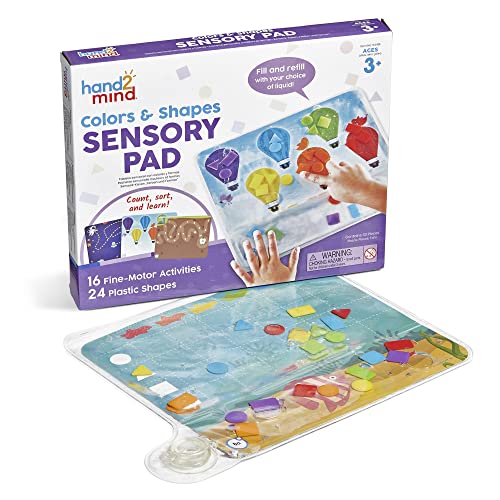 Customizable sensory mat for fine motor skill development.
This reusable sensory mat is a game-changer for occupational therapy. Fill it with liquid (soap, oil, or gel) to create tactile experiences, then let kids count, sort, and explore shapes. It’s perfect for calming corners and focused play.
- Key Features:
- Includes 24 plastic shapes (4 shapes, 6 colors).
- 8 double-sided activity cards for guided learning.
- Designed for ages 3–5.
- Pros:
- Customizable sensory experience.
- Portable and includes activity cards.
- Cons:
- Requires adult involvement for filling/refilling.
User Impressions: Occupational therapists and parents love its versatility for developing fine motor skills and hand-eye coordination.
4. LESONG Sensory Toys Kids Toddlers—Social Emotional Feelings Expression Set
 Textured sensory toys representing different emotions.
This set of six squishy, textured toys helps children identify and discuss emotions. Ideal for kids with ADD, OCD, or autism, these toys provide tactile sensory input while teaching emotional intelligence.
- Key Features:
- Set of 6 textured, brightly colored toys.
- No sharp edges or sounds—safe for classrooms.
- Pros:
- Supports emotional regulation and social development.
- Durable and engaging.
- Cons:
- Focuses primarily on touch and emotion.
User Impressions: Parents and teachers note how these toys engage children in discussions about feelings and provide calming sensory input.
5. Fidget Spinner for Kids (2 PCS, Light-Up Sensory Toy)
 Light-up fidget spinners with 3 flashing modes.
These spinners combine visual and tactile stimulation to improve focus and reduce stress. Made of BPA-free ABS material, they’re durable, portable, and ideal for kids with autism or ADHD.
- Key Features:
- 3 flashing modes for visual stimulation.
- Lightweight and individually packed.
- Pros:
- Enhances concentration and relaxation.
- Suitable for all ages.
- Cons:
- Flashing lights may be overstimulating for some.
User Impressions: Reviewers love the added visual element, reporting improved focus and self-regulation in children.
Additional Toy Categories to Explore
Beyond the top picks above, consider these categories for broader inclusive play:
- Adaptive Sports Toys: Modified balls, bats, or goals designed for children with physical disabilities.
- Communication Toys: Devices or games that support non-verbal children in expressing needs and emotions.
- Music and Sound Toys: Instruments or sound-based games that encourage auditory processing and creativity.
- Pretend Play Sets: Role-playing toys (e.g., doctor kits, tool sets) that build social and cognitive skills.
For more on adaptive tech, check out our guide on a fun and educational companion.
How to Introduce New Toys to a Child with Disabilities
Introducing a new toy can be exciting, but it’s important to do so thoughtfully:
- Start Slow: Present the toy in a calm, familiar environment without pressure.
- Model Use: Demonstrate how the toy works to pique their interest.
- Observe Reactions: Watch for signs of engagement or distress. If they seem overwhelmed, pause and try again later.
- Encourage Exploration: Let them interact with the toy at their own pace.
- Incorporate into Routines: Use the toy during playtime, therapy sessions, or calming moments.
For more on creating a supportive play environment, explore our guide on top smart air quality monitors to ensure a healthy space.
FAQ Section
Q: What are sensory toys, and why are they important?
Sensory toys engage one or more of the five senses (or proprioception/vestibular senses). For kids with disabilities—especially those with autism, ADHD, or sensory processing differences—these toys help regulate the nervous system, improve focus, and reduce anxiety.
Q: How do I choose the right toy for my child’s specific disability?
Observe your child’s needs, preferences, and developmental goals. Consult therapists (occupational, physical, or speech) for personalized recommendations. Consider their sensory preferences, skill-building goals, and what types of play engage them most.
Q: Can these toys be enjoyed by children without disabilities?
Absolutely! Inclusive toys benefit all children by promoting empathy, creativity, and sensory exploration. They’re designed to be universally engaging.
Q: What’s the difference between fine and gross motor skills?
- Fine motor skills involve small muscle movements (e.g., grasping, writing).
- Gross motor skills involve larger movements (e.g., running, balancing). Toys like sensory pads develop fine motor skills, while balance beams improve gross motor skills.
Q: Are adaptive toys more expensive?
Not always. While specialized equipment can be costly, many inclusive toys are priced similarly to mainstream options. Focus on features that support diverse needs rather than price alone.
Q: How do toys support social-emotional learning (SEL)?
Toys like diverse ability figures or emotion-expression sets help children explore feelings, practice empathy, and role-play social situations. This builds emotional intelligence and social confidence.
Q: My child gets overwhelmed easily. How can I introduce a new toy?
Introduce it gradually in a calm setting. Let them explore at their own pace, and model use if needed. Start with short sessions and watch for signs of distress.
Conclusion
Choosing the right toys for kids with disabilities can transform playtime into a powerful tool for growth, learning, and inclusion. The best toys—whether sensory pads, inclusive figures, or fidget tools—support development while sparking joy and confidence.
Next Step: Observe your child’s unique needs and start with one toy that aligns with their interests and abilities. For more ideas, explore our blog or dive into guides on eco-friendly STEM toys for sustainable play options.
Happy playing!