 Vibrant books that bring real-life heroes to young readers
Every child deserves to see how ordinary people achieve extraordinary things. The right autobiographies and memoirs don’t just entertain—they plant seeds of resilience, curiosity, and ambition. Whether your young reader dreams of sports stardom, scientific discovery, or simply understanding their own potential, these seven books deliver real-life role models in engaging, age-appropriate ways.
Below, you’ll find a carefully curated selection that goes beyond traditional autobiographies to include memoirs and biographies with the same inspirational power. Each pick is packed with actionable lessons, from overcoming adversity to embracing uniqueness. We’ve also included practical tips for choosing the right book and fostering a love of true stories at home.
Why True Stories Matter for Young Minds
Reading about real people helps children develop empathy, critical thinking, and self-confidence. Unlike fiction, autobiographies and biographies show that success often comes from persistence, creativity, and learning from failure. For kids, these stories answer the question: "How did they do it?"—and subtly encourage them to ask, "What can I do?"
Key benefits for kids:
- Builds resilience by normalizing challenges and setbacks.
- Expands worldviews through diverse perspectives and cultures.
- Sparks passions by introducing role models in STEM, arts, sports, and more.
- Strengthens literacy with compelling narratives that feel personal.
For parents, these books also open doors to meaningful conversations. Discussing a scientist’s perseverance or an athlete’s work ethic can reinforce values like routine upkeep of goals or engine servicing of skills.
How to Choose the Perfect Autobiography for Your Child
Not all true stories resonate equally. Here’s how to match the right book to your child’s age, interests, and reading level:
By Age Group
| Age | Format | What to Look For | Avoid |
|---|---|---|---|
| 4–6 | Picture books | Simple language, vibrant illustrations | Dense text, complex themes |
| 7–9 | Early chapter books | Short chapters, relatable protagonists | Abstract concepts, mature topics |
| 10–12 | Graphic novels/memoirs | Engaging visuals, deeper emotional arcs | Overly technical or slow-paced |
| 13+ | Full-length memoirs | Nuanced storytelling, real-world challenges | Condescending tone or oversimplification |
By Interest
- Sports fans: Look for athlete biographies (e.g., Messi, baseball legends).
- Science lovers: Seek out stories of inventors, explorers, or researchers (e.g., Shark Lady).
- Creative kids: Memoirs about artists, writers, or performers (e.g., Waxing On).
- Social butterflies: Books about friendship and identity (e.g., Best Friends).
Pro tip: Let your child browse the first few pages. If they’re hooked by the voice or illustrations, they’re more likely to finish—and learn—from the book.
7 Must-Read Autobiographies and Memoirs for Kids
1. Shark Lady: The True Story of How Eugenie Clark Became a Pioneer
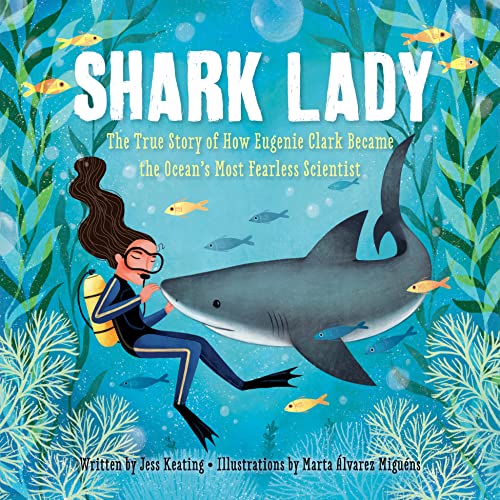 Eugenie Clark’s fearless dive into marine biology
Why it’s inspiring: This picture book biography introduces Eugenie Clark, a trailblazing marine biologist who shattered gender barriers in science. Through vivid illustrations and accessible text, kids learn how Clark’s childhood fascination with sharks turned into a lifelong mission to study—and protect—them. The book subtly teaches that curiosity + courage = change.
Key lessons:
- Challenging stereotypes (e.g., "sharks are monsters" or "science is for boys").
- The importance of observation and persistence in scientific discovery.
- How passion can drive a career.
Best for: Ages 5–9. Ideal for sparking interest in STEM or environmentalism. Format: Picture book (40 pages). Award: Named a Best STEM Book for Kids by the National Science Teaching Association.
Parent note: Pair this with a trip to an aquarium or a creative learning activity to extend the inspiration.
2. Messi: A Boy Who Became a Star
 From a small town in Argentina to global greatness
Why it’s inspiring: Lionel Messi’s story is a masterclass in overcoming obstacles. This biography highlights his early struggles—including a growth hormone deficiency that required expensive treatments—and how his family’s support and his relentless practice led to greatness. For kids, it’s proof that talent is just the starting point.
Key lessons:
- Hard work beats raw talent (Messi was often the smallest on the field).
- The role of family and community in achieving dreams.
- Handling fame and pressure with humility.
Best for: Ages 6–12. Perfect for soccer fans or kids who need a boost in perseverance. Format: Illustrated chapter book (48 pages).
Discussion starter: Ask your child, "What’s one challenge you’ve faced that made you stronger?"
3. Best Friends (Real Friends #2)
 Shannon Hale’s honest take on middle-school friendships
Why it’s inspiring: This graphic novel memoir dives into the messy, emotional world of pre-teen friendships. Author Shannon Hale recounts her struggles with belonging, betrayal, and self-acceptance—topics many kids grapple with silently. The comic-style format makes it highly accessible for reluctant readers.
Key lessons:
- Friendship isn’t always easy, and that’s okay.
- The power of speaking up and setting boundaries.
- You don’t have to change to fit in.
Best for: Ages 8–12. A lifeline for kids navigating social dynamics. Format: Graphic novel (256 pages).
Educator tip: Use this book to discuss emotional intelligence—a skill as important as any academic subject. For more on fostering social skills, explore engaging activities for kids.
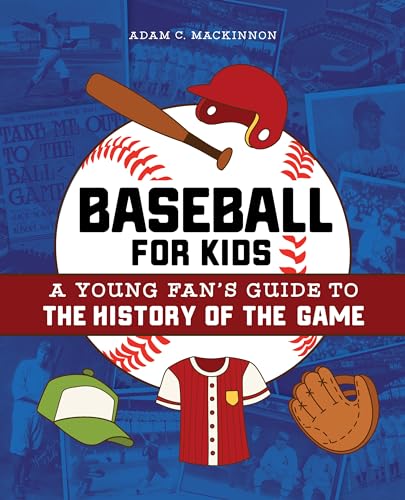
4. Baseball for Kids: A Young Fan’s Guide to the History of the Game
America’s pastime through the eyes of its heroes
Why it’s inspiring: While not a single-person autobiography, this book weaves together the life stories of baseball’s greatest players—Babe Ruth, Jackie Robinson, Willie Mays—into a collective narrative. It teaches kids that history is made by people, and that each legend faced their own hurdles (e.g., Robinson breaking the color barrier).
Key lessons:
- Teamwork and leadership on and off the field.
- How sports reflect social change (e.g., integration, women in baseball).
- The math and strategy behind the game (great for STEM-minded kids).
Best for: Ages 8–14. A hit for baseball lovers or history buffs. Format: Nonfiction chapter book (160 pages).
Fun extension: Visit a local baseball museum or watch a documentary on one of the players. For more active learning, check out top activities for kids.
5. 5,000 Awesome Facts (About Everything!) (National Geographic Kids)
 The world’s "autobiography" in bite-sized chunks
Why it’s inspiring: This fact-packed treasure trove from National Geographic turns learning into an adventure. While not a traditional autobiography, it mirrors the curiosity-driven journey of a lifelong learner. Kids can dip in and out, discovering everything from animal oddities to space exploration.
Key lessons:
- The world is full of wonders—and there’s always more to learn.
- Cross-disciplinary thinking (e.g., how geography affects culture).
- Fun is the best teacher.
Best for: Ages 7–12. Ideal for car rides, waiting rooms, or bedtime browsing. Format: Hardcover (224 pages).
Parent hack: Use it as a conversation starter. Pick a random fact and ask, "What do you think about that?"
6. Waxing On: The Karate Kid and Me
 Behind the scenes of a pop-culture legend
Why it’s inspiring: Ralph Macchio’s memoir offers a rare look at how a role can shape a life. Kids who love The Karate Kid or Cobra Kai will enjoy the behind-the-scenes stories, but the deeper message is about identity, hard work, and staying true to yourself. Macchio’s candor about the highs and lows of fame makes it relatable.
Key lessons:
- Success isn’t linear—Macchio faced rejection and typecasting.
- The power of mentorship (on and off screen).
- Balancing passion with practicality.
Best for: Ages 10+. Great for teens or tweens interested in acting, film, or pop culture. Format: Memoir (256 pages).
Discussion question: "If you could star in any movie, what role would you want—and why?"
7. How to Stop Losing Your Sh*t with Your Kids
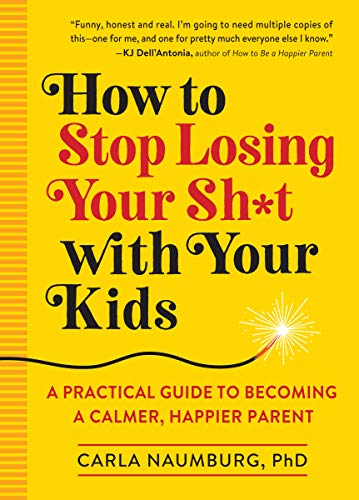 A parent’s guide to emotional resilience (with kid-friendly ripple effects)
Why it’s inspiring: While written for parents, this book indirectly benefits kids by modeling emotional regulation. When parents learn to respond instead of react, children grow up in an environment where mistakes are learning opportunities, not sources of shame. It’s a blueprint for raising kids who feel safe, heard, and capable.
Key lessons for kids (by osmosis):
- Emotions are normal—and manageable.
- Conflict can be resolved with patience and empathy.
- You’re not alone in your struggles.
Best for: Parents of kids ages 3–12. A game-changer for household dynamics. Format: Parenting guide (224 pages).
Pro tip: Pair this with sensory support tools to create a calming space for emotional discussions.
How to Make the Most of These Books
Before Reading
- Preview together: Flip through the book and ask, "What do you think this person’s story will be about?"
- Connect to their life: "This scientist loved sharks as a kid—just like you love dinosaurs!"
During Reading
- Ask open-ended questions: "How do you think they felt when that happened?"
- Pause for discussions: If a character faces a challenge, ask, "What would you do in that situation?"
After Reading
- Extend the learning:
- Write a letter to the author (even if it’s just for fun).
- Create a timeline of the person’s life.
- Act it out: For example, reenact Jackie Robinson’s first game.
- Find real-world connections: Watch a documentary, visit a museum, or try an activity related to the book.
Frequently Asked Questions (FAQ)
Q: Why are autobiographies better than fiction for teaching life lessons?
A: Autobiographies show real people overcoming real challenges, which can feel more tangible and motivating for kids. Fiction is valuable, but true stories carry the weight of "This actually happened—so I can do it too."
Q: My child is a reluctant reader. Which format is best?
A: Start with graphic novels (Best Friends) or picture books (Shark Lady). These use visuals to carry the narrative, making them less intimidating. Audiobooks are another great option for kids who struggle with text.
Q: Are there autobiographies for kids with disabilities?
A: Absolutely! While not all are traditional autobiographies, books like The Girl Who Thought in Pictures (about Temple Grandin) or Emmanuel’s Dream (about Emmanuel Ofosu Yeboah) highlight disability as part of a larger, inspiring story. For toy-based learning, explore inclusive play options.
Q: How do I know if a book is age-appropriate?
A: Check the recommended age range on the publisher’s site or reviews. For sensitive topics (e.g., racism, illness), preread or use resources like Common Sense Media for guidance.
Q: Can these books help with my child’s writing skills?
A: Yes! After reading, encourage your child to:
- Write a short "autobiography" of their own life so far.
- Interview a family member and write their story.
- Create a comic strip about a real-life hero.
Q: Where can I find more diverse autobiographies for kids?
A: Look for award-winning lists like:
- Coretta Scott King Book Awards (for African American authors/illustrators).
- Pura Belpré Award (for Latinx creators).
- Asian/Pacific American Award for Literature.
Conclusion
The right autobiography can ignite a lifelong love of learning, resilience, and self-belief in a child. Whether it’s Eugenie Clark’s daring dives, Messi’s relentless practice, or Shannon Hale’s honest take on friendship, these stories show kids that their dreams are valid—and achievable.
Your next step: Pick one book from this list that aligns with your child’s interests, and read it together. Then, ask them: "What’s one thing you learned that you want to try?" That’s how inspiration turns into action.
Happy reading—and here’s to the next generation of dreamers, doers, and history-makers!