
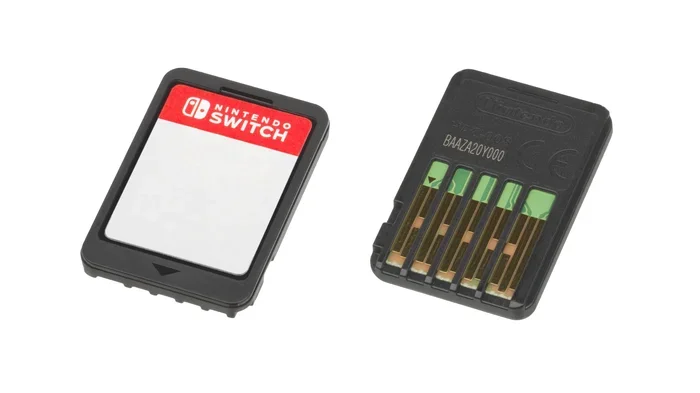
Featured image for Nintendo Switch cartridge closeup
Image source: gonintendo.com
A major supplier of mask ROM chips for Nintendo Switch cartridges has announced its exit from the market. This move threatens the steady supply of physical game cards and could raise production costs. Developers, publishers, and collectors should prepare for potential shortages and explore alternative storage solutions.
Big news hit the gaming world recently. A major Nintendo Switch cartridge ROM manufacturer leaves the market. This company supplied the mask ROM chips that sit inside every physical Switch game card. The announcement came without much warning. It affects the whole supply chain from chip fab to store shelf.
Why does this matter? Think of the ROM chip as the heart of a cartridge. Without it the game cannot beat. If the heart stops the whole body stops. Game studios, publishers, retailers, and collectors all feel the ripple. Prices may rise. Release dates may slip. Some titles may never see a physical release.
This guide breaks down the who what where when and why of the exit. It explains the impact on each group. It offers practical steps you can take today. It also looks at the long term future of physical game media.
Key Takeaways
- Manufacturer Exit: A leading ROM chip maker has left the Switch cartridge supply chain.
- Supply Risk: Game card production may face delays and higher costs.
- Developer Impact: Studios must secure alternative chip sources or shift to digital.
- Collector Concern: Physical game availability could shrink, affecting value.
- Preservation Steps: Back up cartridges and monitor market changes.
- Long‑Term Outlook: The industry may accelerate digital distribution and new storage tech.
📑 Table of Contents
What Happened: The Manufacturer’s Exit
Who Is The Manufacturer
The company is a well known Taiwanese chip maker. For years it produced the mask ROM used in Switch cartridges. It also supplied other console makers. Its reputation for reliability made it a go to partner for Nintendo.
What Did They Produce
They made the non volatile memory that stores the game code. Each cartridge holds a single ROM chip. The chip is written once at the factory. It cannot be erased or rewritten. This makes it perfect for retail games.
When Was The Announcement Made
The news broke in a press release last quarter. The company stated it would wind down its mask ROM line by the end of the fiscal year. No exact day was given but the timeline is tight.
Why Did They Leave
Several factors drove the decision. First the mask ROM market is shrinking. Digital sales grow every year. Second the fab equipment is aging. Upgrading costs billions. Third the company wants to focus on higher margin products like flash memory and automotive chips.
Did You Know? The global mask ROM market was valued at about 1.2 billion dollars in 2023. It has been declining roughly five percent per year.
Why It Matters: Supply Chain Impact
Effect On Game Production
Game studios order cartridges months ahead. They rely on a steady flow of ROM chips. If the chip supply drops the factory cannot finish cards. This leads to delayed launches or reduced print runs.
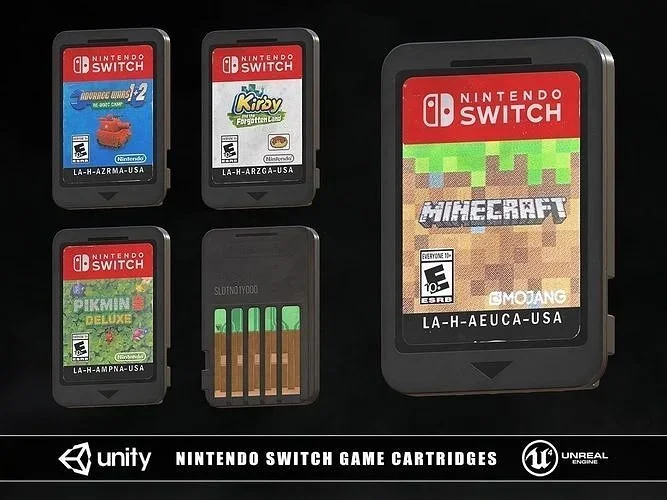
Visual guide about Nintendo Switch cartridge closeup
Image source: img2.cgtrader.com
Effect On Retail Availability
Stores receive fewer physical copies. Shelves may show gaps for popular titles. Pre orders may be cut. Collectors may find limited editions harder to get.
Effect On Pricing
Scarcity drives up cost. Publishers may raise wholesale prices. Retailers pass the cost to consumers. Second hand markets may see price spikes for sought after games.
Did You Know? In 2022 Nintendo shipped over 100 million Switch game cards worldwide. A ten percent supply cut could mean ten million fewer cards on shelves.Who Is Affected: Developers Publishers Collectors
Game Developers
Indie studios often prefer physical runs for branding. They usually order small batches. A chip shortage hits them hardest. They may cancel physical editions or go digital only.
Publishers And Distributors
Large publishers plan millions of units. They have contracts with multiple suppliers. Still a major source loss forces renegotiation. Lead times stretch. Budgets shift.
Collectors And Preservationists
Physical media is a cultural artifact. Fewer new cards means fewer future collectibles. Preservation groups worry about long term access. They advocate for legal backup methods.
Homebrew Community
Homebrew developers use blank cartridges for testing. They need programmable ROM or flash carts. A chip shortage raises prices for development hardware. It slows innovation.
Where To Go From Here: Alternatives And Strategies
Alternative ROM Suppliers
Other fabs exist. Companies in Japan Korea and China produce mask ROM. They may not match the exact spec. Qualification takes months. Studios should start talks now.
Digital Distribution As A Backup
Digital stores never run out of stock. Publishers can release day one digital versions. This guarantees revenue even if physical cards lag. It also reaches players who prefer downloads.
Cartridge Refurbishment
Some firms recycle old cartridges. They replace the ROM chip with a new one. This works for reprints of older titles. It reduces waste and eases demand on new chips.
Practical Tips For Developers
- Audit your bill of materials. Identify every ROM dependent component.
- Qualify at least two chip vendors before you lock a launch date.
- Build a digital fallback plan into your production schedule.
- Communicate early with Nintendo about allocation changes.
When Will The Impact Be Felt: Timeline And Forecast
Short Term (0‑6 Months)
Existing inventory buffers most launches. You may see minor delays for low volume titles. Prices stay stable.
Medium Term (6‑18 Months)
Buffers run out. New orders face longer lead times. Some publishers may cut physical runs. Collector markets react.
Long Term (Beyond 18 Months)
Industry adapts. New suppliers come online. Digital share grows. Physical media becomes niche. Prices for rare cards may rise sharply.
Monitoring The Market
Track component lead time reports from distributors. Follow Nintendo investor briefings. Join developer forums for real time intel.
How To Protect Your Games: Preservation Tips
Backup Your Cartridges
Use a reputable dumper to create a ROM image. Store the file on multiple drives. Keep one copy offline.
Store Cartridges Properly
Keep cards in a cool dry place. Use protective sleeves. Avoid direct sunlight and magnetic fields.
Use Trusted Emulation For Access
Emulators let you play backups on PC or other hardware. Choose open source projects with active development. Verify checksums.
Community Resources
Groups like the Video Game History Foundation archive physical media. They offer guides on legal preservation. Participate to help the ecosystem.
In summary the exit of a key Nintendo Switch cartridge ROM manufacturer leaves a gap that will be felt across the industry. Developers must secure new chip sources or pivot to digital. Publishers should plan for tighter supply and higher costs. Collectors need to protect what they have and watch the secondary market. The long term trend points to more digital fewer physical cards. Staying informed and proactive is the best strategy. Keep an eye on supply reports. Talk to your partners. Preserve your games. The future of physical media depends on the actions we take today.