In a world dominated by screens, finding engaging, high-quality educational content for children can feel overwhelming. The best educational magazines for kids—whether in traditional periodical form or as magazine-style books—offer a perfect blend of visual appeal, digestible information, and interactive elements that spark curiosity and foster a lifelong love of learning. These resources not only entertain but also build critical thinking, reading comprehension, and a deeper understanding of the world.
Below, we’ve curated five standout options that deliver exceptional educational value while keeping kids hooked. Each selection is designed to inspire young minds through stunning visuals, hands-on activities, and expertly crafted content.
Why Educational Magazines Matter for Kids
Educational publications play a vital role in a child’s development by offering structured yet exciting ways to explore new ideas. Here’s how they make a difference:
- Spark Curiosity: They introduce fascinating topics—from space to backyard ecosystems—that encourage kids to ask questions and seek answers.
- Boost Literacy: Regular exposure to well-written, age-appropriate text improves vocabulary, reading fluency, and comprehension.
- Encourage Screen-Free Learning: Physical magazines and books provide a tactile, focused alternative to digital distractions.
- Develop Critical Thinking: Puzzles, facts, and open-ended questions challenge children to analyze, connect ideas, and think creatively.
- Support Independent Exploration: Kids can dive into topics at their own pace, building confidence and self-directed learning habits.
For parents and educators, these resources are invaluable tools for both casual learning and structured education. If you're looking for more ways to keep kids engaged, consider pairing these with interactive learning tools or hands-on activities.
How to Choose the Right Educational Magazine for Your Child
Not all educational publications are created equal. To pick the best fit, consider these key factors:
- Age and Reading Level: Younger kids thrive on visual-heavy, simple-text formats, while older children may prefer in-depth articles or complex puzzles.
- Interests: Does your child love animals, space, or hands-on activities? Match the content to their passions.
- Learning Style: Some kids absorb information best through stories, others through visuals or interactive elements like stickers or puzzles.
- Educational Goals: Are you focusing on STEM, literacy, or creative thinking? Choose a publication that aligns with your objectives.
- Engagement Value: Look for high-quality photography, engaging layouts, and activities that invite participation.
A common mistake is assuming that "educational" means dry or boring. In practice, the best magazines for kids feel like an adventure—whether they’re solving a maze, uncovering a fun fact, or exploring a new concept.
Top 5 Educational Magazines and Magazine-Style Books for Kids
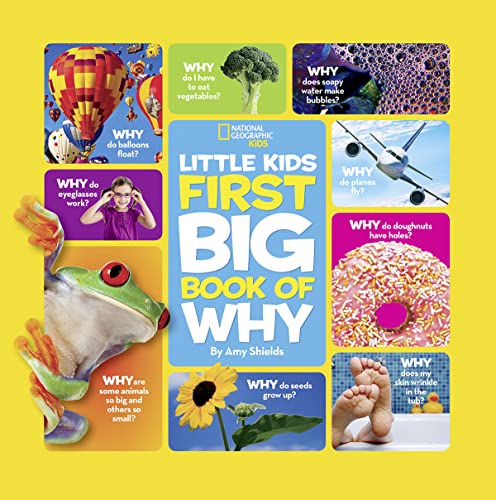
1. National Geographic Little Kids First Big Book of Why
 National Geographic’s "First Big Book of Why" answers common childhood questions with engaging visuals.
This book is a treasure trove for curious preschoolers and early elementary kids. It tackles the endless "why?" questions children ask—from "Why do birds sing?" to "Why is the sky blue?"—with clear, age-appropriate answers. The content spans science, nature, animals, and the human body, making it a well-rounded introduction to foundational knowledge.
Key Features:
- Bright, engaging photography: High-quality images illustrate complex concepts in a way kids can grasp.
- Simple, direct answers: Each explanation is concise and tailored to young learners.
- Wide range of topics: Covers everything from dinosaurs to weather, keeping kids engaged across multiple interests.
- Durable hardcover: Built to withstand repeated use by enthusiastic young readers.
- Fun facts and activities: Encourages further exploration and interaction.
Pros: ✅ Sparks early curiosity and critical thinking. ✅ Visually stunning, with a layout that captivates young eyes. ✅ Ideal for shared reading between parents and children. ✅ Covers a broad spectrum of foundational topics.
Cons: ❌ Content may be too simplistic for older elementary children. ❌ Answers are brief and not intended for deep dives.
User Impressions: Parents consistently praise this book for its ability to keep toddlers and preschoolers enthralled for hours. Many note that it’s often the first book their child reaches for, providing endless "aha!" moments. It’s a popular gift choice for young families and a staple in many classrooms.
Where to Buy: Check it out on Amazon
2. The Coolest Stuff on Earth: A Closer Look at the Weird, Wild, and Wonderful
 Explore the world’s most bizarre and amazing phenomena in this visually stunning book.
For kids who love discovering the extraordinary, The Coolest Stuff on Earth delivers a magazine-like experience with its diverse, quick-hit articles. The book covers everything from extreme weather and mind-blowing animal behaviors to human achievements and scientific marvels. Its format is perfect for browsing, making it ideal for reluctant readers or those with short attention spans.
Key Features:
- Eye-popping photography: High-quality images showcase the wonders described in vivid detail.
- Jaw-dropping facts: Features unique and often surprising information that sparks curiosity.
- Diverse topics: Explores science, history, geography, animals, and more.
- Engaging, bite-sized articles: Easy to read and perfect for quick learning bursts.
- "Coolest Stats" and "You Won’t Believe It!" sections: Highlight particularly astonishing details.
Pros: ✅ Keeps children highly engaged with its captivating content. ✅ Excellent for inspiring an interest in a variety of subjects. ✅ Great for reluctant readers due to its visual appeal and short text blocks. ✅ Provides countless conversation starters for family discussions.
Cons: ❌ The content jumps between topics quickly, which may not suit kids who prefer deep dives. ❌ Some facts might be overwhelming for very young children.
User Impressions: Kids adore this book, with many parents reporting that it’s constantly being revisited. Reviewers frequently mention how it sparks endless "Did you know?" questions, proving its effectiveness in fostering curiosity. It’s a favorite for car rides, waiting rooms, or quiet time at home.
Where to Buy: Check it out on Amazon
3. National Geographic Kids In My Backyard Sticker Activity Book
 An interactive sticker activity book that teaches kids about local flora and fauna.
Learning doesn’t just happen in faraway lands—it starts right outside our windows. This sticker activity book offers a hands-on way for kids to explore the natural world around them. It combines fun activities with educational facts about common backyard animals and plants, making it a fantastic resource for turning observations into discoveries.
Key Features:
- Interactive sticker activities: Encourages engagement and fine motor skill development.
- Facts about local nature: Teaches kids about birds, insects, plants, and more in their own environment.
- Puzzles and games: Reinforces learning in a playful, interactive way.
- Bright illustrations and real photographs: Visually appealing and educational.
- Promotes outdoor observation: Encourages kids to look for what they’ve learned in real life.
Pros: ✅ Combines entertainment with learning, making education enjoyable. ✅ Excellent for developing fine motor skills and hand-eye coordination. ✅ Fosters a connection with nature and local environments. ✅ Perfect for quiet time, travel, or rainy days.
Cons: ❌ Sticker activities are typically a one-time use, limiting replay value. ❌ Content may be too simple for older elementary kids seeking more advanced facts.
User Impressions: Parents rave about how much their children enjoy the interactive elements, often leading to excited chatter about what they’ve seen in their own yards. It’s highly recommended for keeping kids occupied while teaching them valuable lessons about their immediate surroundings.
Where to Buy: Check it out on Amazon
4. Ultimate Puzzle Challenge!: 125+ Brain Games for Kids
 A collection of 125+ puzzles designed to sharpen young minds through fun challenges.
Sometimes, the best way to learn isn’t through reading facts but through active problem-solving. Ultimate Puzzle Challenge! is packed with brain-teasing games that stimulate critical thinking, logic, and concentration—all skills fostered by the best educational magazines for kids. From mazes and word searches to logic puzzles and crosswords, it offers varied ways for children to stretch their mental muscles.
Key Features:
- Over 125 diverse puzzles: Includes mazes, crosswords, word searches, sudoku, and more.
- Varying difficulty levels: Suitable for a range of ages and skill sets.
- Boosts critical thinking: Engages cognitive skills directly.
- Portable format: Great for car rides, waiting rooms, or quiet time at home.
- Answer key included: Allows for self-correction and continued learning.
Pros: ✅ Significantly enhances problem-solving abilities and logical reasoning. ✅ Offers hours of screen-free, brain-boosting entertainment. ✅ Great for improving focus and concentration. ✅ Appeals to a wide age range, from early elementary to pre-teens.
Cons: ❌ Some puzzles might be challenging for younger children without guidance. ❌ Not a fact-based learning resource, but skill-based.
User Impressions: Reviewers consistently highlight how this puzzle book keeps their kids entertained and mentally stimulated for extended periods. It’s often praised as a lifesaver for long journeys and a fantastic alternative to screen time, with many parents noticing improvements in their child’s logic skills.
Where to Buy: Check it out on Amazon
5. Planets (National Geographic Kids Readers, Level 2)
 An introductory guide to our solar system, perfect for early readers.
For budding astronomers and early readers, Planets from National Geographic Kids Readers is an out-of-this-world choice. Designed for Level 2 readers, it provides an accessible yet fascinating introduction to our solar system. The book captures the essence of an educational magazine by presenting complex scientific information in a simplified, highly visual, and engaging manner.
Key Features:
- Level 2 reader format: Perfect for children developing independent reading skills.
- Stunning images of planets: Features real photographs from space missions.
- Basic facts about the solar system: Introduces core astronomy concepts.
- Engaging text: Simple sentences and vocabulary suitable for the target age group.
- Glossary and "Words to Know" sections: Supports vocabulary development.
Pros: ✅ Builds reading confidence and encourages independent learning. ✅ Introduces foundational science concepts in an exciting way. ✅ Visually captivating, making learning about space truly inspiring. ✅ Supports early literacy with carefully leveled text.
Cons: ❌ Content depth is limited due to being a Level 2 reader. ❌ Focuses solely on planets, not a broad science overview.
User Impressions: Parents frequently commend this book for making reading practice fun and educational. They often note how their children become captivated by the cosmic images and facts, leading to enthusiastic discussions about space and a boost in their reading proficiency.
Where to Buy: Check it out on Amazon
How to Maximize the Value of Educational Magazines
To get the most out of these resources, try these practical tips:
- Create a Reading Routine: Set aside dedicated time for reading or exploring the magazine together. Consistency helps build a habit.
- Encourage Discussion: Ask open-ended questions like, "What was the most surprising fact you learned?" or "How do you think that works?"
- Extend the Learning: Pair the magazine with related activities. For example, after reading about planets, visit a local science museum or create a DIY solar system model.
- Use as a Supplement: Incorporate these magazines into homeschooling or classroom lessons. They’re great for reinforcing topics in science, history, or literacy.
- Let Kids Lead: Allow your child to choose which sections or activities interest them most. Autonomy increases engagement.
For more ideas on combining learning with play, explore our guide on educational cameras for toddlers, which can pair well with nature-themed magazines for outdoor exploration.
Digital vs. Print: What’s Best for Your Child?
While print magazines and books offer tactile, screen-free engagement, digital versions can provide additional benefits:
- Accessibility: Digital magazines are often easier to access, especially for families on the go.
- Interactive Elements: Some digital versions include videos, quizzes, or clickable links for deeper exploration.
- Cost-Effective: Subscriptions to digital magazines can be more affordable than purchasing individual print issues.
However, print remains a favorite for many parents due to its durability, collectibility, and the sensory experience it provides. According to the American Academy of Pediatrics, screen-free activities are crucial for balanced development, especially for younger children.
Frequently Asked Questions (FAQ)
Q1: What age group are these educational resources best suited for?
A1: The selections here cover a range from preschoolers (e.g., Little Kids First Big Book of Why) to pre-teens (e.g., Ultimate Puzzle Challenge!). Always check the recommended age range on the product description for the best fit.
Q2: How do educational magazines or books help a child’s development?
A2: They boost cognitive development by introducing new concepts, enhance reading comprehension and vocabulary, encourage critical thinking, and provide valuable screen-free learning opportunities. They also foster a lifelong love for reading and exploration.
Q3: Are these products truly "magazines" or are they books?
A3: While our focus is on the best educational magazines for kids, the specific products reviewed here are high-quality books from National Geographic, a publisher renowned for its educational magazines. These books offer a similar engaging, visual, and fact-filled experience, essentially acting as "magazine-style" resources.
Q4: How can I choose the right educational publication for my child?
A4: Consider your child’s age, interests (animals, space, puzzles, etc.), and reading level. Look for publications with engaging visuals, clear text, and topics that genuinely excite them. Publishers like National Geographic are often a safe bet due to their consistent quality.
Q5: Can these books be used in classrooms or for homeschooling?
A5: Absolutely! Many of these resources are excellent supplements for classroom learning or homeschooling curricula. They provide engaging visuals, interesting facts for research projects, and fun activities to reinforce lessons.
Q6: What makes National Geographic publications so popular for kids?
A6: National Geographic is renowned for its stunning, high-quality photography, expert-verified information, and ability to make complex topics accessible and exciting for young minds. Their commitment to education and exploration resonates strongly with both children and parents.
Q7: Are there digital versions or subscriptions available for similar content?
A7: While the specific products reviewed here are physical books, National Geographic Kids offers digital magazine subscriptions and a wealth of online content on their official website. Many other educational publishers also provide digital options.
Conclusion
Educational magazines and magazine-style books are powerful tools for igniting a child’s curiosity and fostering a love of learning. The five options highlighted here—National Geographic Little Kids First Big Book of Why, The Coolest Stuff on Earth, In My Backyard Sticker Activity Book, Ultimate Puzzle Challenge!, and Planets—each offer unique strengths, whether through stunning visuals, interactive activities, or engaging puzzles.
To take the next step, pick one that aligns with your child’s interests and start exploring together. Pair it with related activities or discussions to deepen the learning experience. For more ideas, browse our blog for additional resources on engaging kids in fun, educational ways.
Investing in quality educational content today can inspire a lifetime of discovery and growth.