
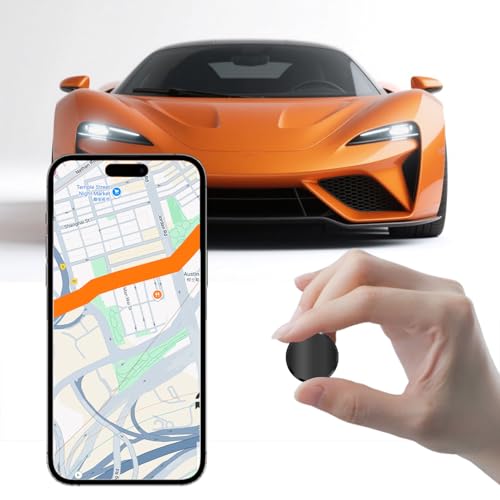
In a world where children’s independence grows faster than ever, parents need reliable ways to ensure their safety without stifling their freedom. Android-compatible trackers bridge this gap, offering real-time location monitoring, geofencing, and emergency alerts—all accessible from your smartphone. Whether you need a discreet tag for a backpack, a wearable for a young child, or a specialized device for kids with unique needs, the right tracker can transform anxiety into assurance.
This guide covers the 10 best Android trackers for kids in 2026, comparing features, battery life, accuracy, and ease of use. We’ll also dive into key considerations like privacy, subscription costs, and real-world performance to help you choose the best fit for your family. For broader insights on child safety tech, explore our dedicated resources.
How to Choose the Right Android Tracker for Your Child
Not all trackers are created equal. The best choice depends on your child’s age, lifestyle, and specific needs. Here’s what to prioritize:
1. Tracking Technology: GPS vs. Bluetooth vs. Crowd-Sourced Networks
- Dedicated GPS trackers (e.g., with SIM cards) provide real-time, global coverage but often require a monthly fee. Ideal for long-distance tracking (e.g., school trips, travel).
- Bluetooth trackers (e.g., Samsung SmartTag2) work best for short-range finding (e.g., locating a misplaced backpack at home).
- Crowd-sourced networks (e.g., Google Find My Device) leverage nearby Android phones to extend range without a SIM, but accuracy depends on network density.
A common mistake is assuming all trackers work the same—always check the underlying tech.
2. Battery Life: How Often Will You Need to Recharge?
- Short-term (3–7 days): Most SIM-based GPS trackers (e.g., AngelSense, FXAJID).
- Medium-term (1–6 months): Hybrid trackers (e.g., Air Tags for Android).
- Long-term (1–2 years): Passive smart tags (e.g., Quvjd, Android Air Tag).
In practice, parents often overlook battery life until it becomes a hassle—opt for at least 1 month of standby time for peace of mind.
3. Wearability vs. Discretion
- Wearables (e.g., AngelSense) are best for young children or kids with special needs who may wander.
- Discreet tags (e.g., mini GPS trackers, smart tags) work well for older kids’ backpacks, bikes, or jackets.
- Non-removable designs (e.g., AngelSense) prevent tampering but may feel restrictive.
4. Geofencing & Alerts
- Geofencing lets you set safe zones (home, school) and get alerts if your child leaves them.
- Movement alerts notify you if the tracker starts moving unexpectedly (e.g., a backpack taken from school).
- SOS buttons (e.g., AngelSense) allow kids to call for help in emergencies.
5. Privacy & Security
- Encryption: Look for end-to-end encrypted data (e.g., Google-certified trackers).
- App permissions: Avoid apps that request unnecessary access (e.g., contacts, microphone).
- Subscription transparency: Some trackers (e.g., AngelSense) require mandatory subscriptions—factor this into your budget.
For a deeper dive into safe tracking practices, check out our guide on how to track your child’s location safely.
6. Compatibility
- Android-only: Most smart tags (e.g., Google Find My Device trackers).
- Cross-platform (Android + iOS): Some GPS trackers (e.g., Quvjd) work with both.
- Ecosystem lock-in: Samsung SmartTag2 only works with Galaxy devices.
Top 10 Android Trackers for Kids in 2026
1. AngelSense Personal GPS Tracker – Best for Special Needs & High-Risk Scenarios
 AngelSense’s non-removable wearable with SOS and two-way audio.
Why it’s #1 for safety-critical tracking: AngelSense is the gold standard for children with autism, ADHD, or dementia, offering real-time tracking indoors and outdoors with AI-powered alerts that learn your child’s routine. Unlike most trackers, it includes a non-removable wristband (preventing tampering) and a speakerphone with auto-answer—so you can listen in or talk to your child without them needing to press a button.
Key Features: ✅ Real-time GPS + Wi-Fi + cellular tracking (no blind spots) ✅ Proactive alerts (elopement, unexpected locations, late arrivals) ✅ Two-way audio with auto-pickup (no child interaction needed) ✅ Safe Ride Monitoring (alerts if your child gets off at the wrong bus stop) ✅ School Dashboard (for coordinating with educators) ✅ IP67 waterproof & durable
Battery Life: 1–2 days (rechargeable) Subscription: $49.99/month (1-year contract required) Best For: Kids with autism, ADHD, or wandering tendencies; parents who need maximum security.
Pros:
- Most reliable for high-risk scenarios (used by special needs communities worldwide).
- No reliance on Bluetooth or crowd-sourced networks—works everywhere with cellular coverage.
- Emergency search tools (e.g., last-known location if battery dies).
Cons:
- Expensive (both device and subscription).
- Bulky compared to smart tags (but necessary for its features).
User Impressions: Parents of children with special needs consistently rate this 5/5, calling it a "lifesaver" for its unmatched accuracy and safety features. The auto-answer speakerphone is a standout for emergencies.
2. FXAJID Mini GPS Tracker – Best Budget Global Tracker
 Compact, magnetic tracker with multi-network positioning.
Why it’s great: This coin-sized GPS tracker packs GPS, GLONASS, AGPS, LBS, and Wi-Fi positioning into a waterproof, magnetic design—perfect for hiding in a backpack, bike, or coat pocket. Unlike smart tags, it doesn’t rely on crowd-sourced networks, making it more consistent in rural areas.
Key Features: ✅ Global coverage (works in 150+ countries) ✅ Geofencing & movement alerts ✅ IP67 waterproof & dustproof ✅ History playback (review past locations) ✅ Free app (no subscription) – but requires a SIM card (user-provided)
Battery Life: 3–5 days (standby) Best For: Budget-conscious parents who want reliable GPS tracking without a subscription.
Pros:
- No monthly fees (only pay for the SIM card).
- Extremely discreet (1.5-inch diameter, strong magnet).
- Works with both Android & iOS (via app).
Cons:
- SIM card required (adds ~$10–$20/month for data).
- Shorter battery life than smart tags.
User Impressions: Users love its small size and accuracy, especially for tracking bikes or luggage. Some note that battery life could be longer, but it’s a great trade-off for the price.
3. Android Air Tag (4-Pack) – Best for Everyday Item Tracking
 Google-certified smart tags with 2-year battery life.
Why it’s a top pick: If your child constantly loses their backpack, lunchbox, or jacket, these Google Find My-compatible tags are a no-fuss solution. They don’t require a SIM or subscription, using Google’s crowd-sourced network to track items globally (where Android phones are nearby).
Key Features: ✅ Google Find Hub integration (no extra app needed) ✅ 2-year battery life (replaceable CR2032) ✅ IP65 waterproof ✅ 75dB alarm (helps locate nearby items) ✅ Encrypted tracking (privacy-focused)
Battery Life: Up to 2 years Best For: Tracking belongings (not wearables) for older kids in urban/suburban areas.
Pros:
- No subscription or SIM required.
- Longest battery life of any tracker on this list.
- Works with any Android 9+ device.
Cons:
- Not a real-time GPS tracker—relies on nearby Android phones.
- Less effective in rural areas with low Android density.
User Impressions: Parents love the "set and forget" convenience, especially for school bags and sports gear. The loud alarm is a favorite for finding misplaced items quickly.
4. Quvjd GPS Tracker – Best No-Subscription Long-Life Tracker
 Tiny, magnetic tracker with 2-year battery life.
Why it stands out: The Quvjd is one of the few trackers that offers real-time tracking without a SIM or subscription, using Bluetooth + crowd-sourced networks (similar to Google Find My Device). Its 2-year battery life and ultra-compact design make it ideal for long-term, low-maintenance tracking.
Key Features: ✅ No SIM, no subscription (uses crowd-sourced networks) ✅ 2-year battery life (non-rechargeable) ✅ 1.3-inch diameter, 0.5 oz (easy to hide) ✅ Powerful magnet (sticks to bikes, backpacks, etc.) ✅ Historical trajectory playback
Battery Life: Up to 2 years Best For: Parents who want zero recurring costs and long battery life.
Pros:
- Cheapest long-term option (no hidden fees).
- Works with both Android & iOS.
- Super discreet (can fit in a pocket or small bag).
Cons:
- Tracking relies on network density (less accurate in remote areas).
- Not a wearable (best for items, not direct child tracking).
User Impressions: Users praise the battery life and simplicity, calling it a "no-brainer for peace of mind". Some note that real-time updates can lag in areas with few Android users.
5. Samsung Galaxy SmartTag2 – Best for Samsung Families
 Sleek, waterproof tracker for Samsung Galaxy users.
Why Samsung users will love it: If your family uses Samsung Galaxy phones, the SmartTag2 is the most seamless option for tracking backpacks, keys, or luggage. It integrates with SmartThings Find, offering precise Bluetooth tracking and crowd-sourced location updates via Samsung’s network.
Key Features: ✅ IP67 water & dust resistant ✅ 500-day battery life (or 40% more in power-saving mode) ✅ Compass View (helps locate items nearby) ✅ Audible signal (ring the tag to find it) ✅ Can control IoT devices (e.g., smart lights)
Battery Life: ~500 days Best For: Samsung Galaxy users who want deep ecosystem integration.
Pros:
- Best-in-class for Samsung phones.
- Long battery life.
- Durable and waterproof.
Cons:
- Only works with Samsung devices (not other Android phones).
- Not a GPS tracker—relies on Bluetooth + Samsung’s network.
User Impressions: Samsung users love the seamless setup and long battery life. Non-Samsung users should avoid this—it’s not compatible with other brands.
6. Mini GPS Tracker for Cars (Hidden Magnetic) – Best for Discreet Tracking
 Compact, waterproof tracker with geofencing.
Why it’s versatile: Despite the name, this magnetic GPS tracker is perfect for kids’ backpacks, bikes, or coats. It offers real-time GPS + LBS tracking with no monthly fees (just a user-provided SIM card).
Key Features: ✅ Real-time GPS + LBS tracking (global coverage) ✅ IP65 waterproof ✅ Geofencing & movement alerts ✅ 3–5 day battery life ✅ Free Android/iOS app
Battery Life: 3–5 days Best For: Parents who want a simple, no-frills GPS tracker for belongings.
Pros:
- No subscription fees.
- Strong magnet (sticks to metal surfaces).
- Works worldwide.
Cons:
- Requires a SIM card (adds ~$10–$20/month).
- Short battery life compared to smart tags.
User Impressions: Users appreciate the accuracy and durability, especially for tracking vehicles or high-value items. Some wish the battery lasted longer, but it’s a solid budget GPS option.
7. GPS Tracker for Kids (Google Find My) – Best for Android Purists
 Google Find My-compatible tracker for Android users.
Why it’s unique: This Google-certified tracker integrates directly with the Find My app, making it effortless for Android users. It’s not designed for children under 12, but it’s great for tracking teens’ belongings (e.g., backpacks, phones).
Key Features: ✅ Google Find My integration (no extra app) ✅ Bluetooth + sound alert ✅ Real-time location updates (via Android network) ✅ Easy MiTag setup
Battery Life: ~6 months Best For: Android users who want a simple, app-free tracker for teens.
Pros:
- No extra app needed (works with Google’s ecosystem).
- Easy to set up.
- Sound alert helps find nearby items.
Cons:
- Not for kids under 12 (per manufacturer).
- Relies on Bluetooth + Android network (less accurate in rural areas).
User Impressions: Users love the Google integration and ease of use, but note it’s not a full GPS tracker—best for short-range finding.
8. Android Mini Air Tracker – Best for Google Find Devices Users
 Compact, waterproof tracker with 12-month battery.
Why it’s a strong contender: This Google Find Devices-compatible tracker offers global positioning without distance limits (via Google’s network). It’s IP67 waterproof and has a 12-month battery, making it a low-maintenance option for tracking kids’ items.
Key Features: ✅ Google Find Devices integration ✅ 12-month battery life ✅ IP67 waterproof ✅ No app download required
Battery Life: 12 months Best For: Parents who want a long-lasting, Google-integrated tracker.
Pros:
- No app needed (works with Google’s built-in tools).
- Long battery life.
- Durable and waterproof.
Cons:
- Not a real-time GPS tracker (relies on network density).
- Best for items, not wearables.
User Impressions: Users highlight the battery life and waterproofing, making it great for active kids.
9. Android Air Tag (IP68 Waterproof) – Best for Extreme Durability
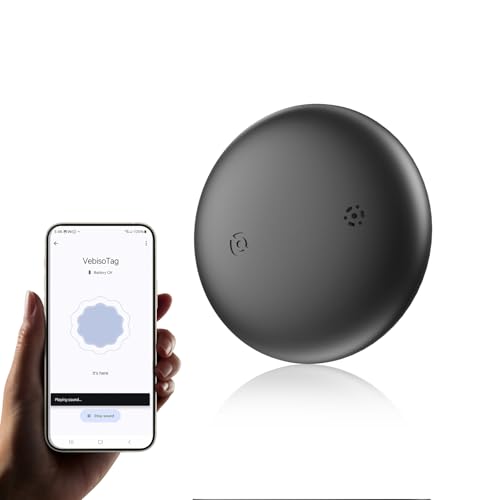 Google-certified tracker with 90dB alarm and IP68 rating.
Why it’s the toughest: With an IP68 waterproof rating (higher than most competitors) and a 90dB alarm, this Google-certified tracker is built for rough use. It’s perfect for kids who are hard on their belongings (e.g., sports bags, outdoor gear).
Key Features: ✅ IP68 waterproof (fully submersible) ✅ 90dB alarm (loudest on this list) ✅ 12-month battery life ✅ Google Maps integration ✅ Precision finding with live distance
Battery Life: 12 months Best For: Parents who need the most durable tracker for outdoor use.
Pros:
- Most waterproof option (IP68).
- Loud alarm (easy to find).
- Google-certified security.
Cons:
- Not a GPS tracker (relies on crowd-sourced networks).
- Android-only.
User Impressions: Users love the durability and loud alarm, calling it "indestructible" for kids’ gear.
10. GPS Tracker for Vehicles (No Subscription) – Best for No-Frills Tracking
 Simple, subscription-free tracker with 1-year battery.
Why it’s a solid backup: This no-SIM, no-subscription tracker is ideal for parents who want the simplest possible solution. It doesn’t require a SIM card (unlike most GPS trackers) and has a 1-year battery life.
Key Features: ✅ No SIM, no subscription ✅ 1-year battery life ✅ Waterproof & dustproof ✅ Built-in alarm speaker
Battery Life: 1 year Best For: Parents who want a zero-cost, low-maintenance tracker.
Pros:
- No recurring fees.
- Long battery life.
- Durable design.
Cons:
- Relies on crowd-sourced networks (less accurate in rural areas).
- Not a real-time GPS tracker.
User Impressions: Users appreciate the simplicity and cost savings, though some note tracking can be delayed in low-density areas.
Android Trackers for Kids: FAQ
Q: What’s the difference between a GPS tracker and a smart tag?
- GPS trackers (e.g., AngelSense, FXAJID) use cellular networks for real-time, global tracking but often require a SIM card and/or subscription.
- Smart tags (e.g., Android Air Tag, Samsung SmartTag2) use Bluetooth + crowd-sourced networks (Google Find My, SmartThings Find) for short-to-medium range tracking with no monthly fees.
Q: Are these trackers safe for my child’s privacy?
Most reputable trackers use encryption (e.g., Google-certified devices) and allow you to control who sees the data. However:
- Avoid trackers with vague privacy policies.
- Check app permissions (e.g., does it need access to your contacts?).
- For maximum security, dedicated GPS trackers (e.g., AngelSense) offer more control than crowd-sourced options.
For more on safe tracking practices, see our guide on how to track your child’s location safely.
Q: Do all Android trackers for kids require a monthly subscription?
No. Smart tags (e.g., Android Air Tag, Quvjd) do not require subscriptions, while dedicated GPS trackers (e.g., AngelSense) often do. Always check the fine print—some "no subscription" trackers still need a SIM card (which has its own costs).
Q: How accurate are these trackers?
| Tracker Type | Accuracy | Best For |
|---|---|---|
| Dedicated GPS (SIM-based) | 3–10 meters | Real-time, global tracking |
| Bluetooth + Crowd-Sourced | 10–50 meters (varies by network density) | Urban/suburban areas |
| Hybrid (GPS + Crowd-Sourced) | 5–30 meters | Balanced accuracy & cost |
Q: Can I set up geofences with these trackers?
Yes, but not all support it:
- ✅ Yes: AngelSense, FXAJID, Mini GPS Tracker for Cars
- ❌ No: Most smart tags (e.g., Android Air Tag, Samsung SmartTag2)
Q: What’s the typical battery life?
| Tracker Type | Battery Life | Example Models |
|---|---|---|
| SIM-based GPS | 3–7 days | AngelSense, FXAJID |
| Hybrid GPS | 1–6 months | Mini GPS Tracker for Cars |
| Smart Tags | 6–24 months | Android Air Tag, Quvjd |
Q: Can these trackers be used in emergencies?
Yes, but features vary:
- SOS buttons: AngelSense, some GPS trackers.
- Two-way audio: AngelSense (auto-answer speakerphone).
- Instant location sharing: Most trackers allow real-time sharing with emergency contacts.
For a dedicated emergency device, consider a wearable with SOS (e.g., AngelSense).
Q: What if my child doesn’t have an Android phone?
- Smart tags (e.g., Android Air Tag) require the parent to have an Android phone to manage tracking.
- Dedicated GPS trackers (e.g., FXAJID, Quvjd) work with both Android and iOS (via their own apps).
Q: Are there any legal considerations for tracking my child?
While tracking your own child is generally legal, some states/countries have privacy laws regarding consent (especially for teens). Always:
- Inform older children (e.g., teens) that they’re being tracked.
- Avoid tracking others’ children without permission.
- Check local laws if unsure.
For more on ethical tracking, the FTC’s guidelines on child privacy are a helpful resource.
Conclusion: Which Android Tracker is Right for Your Child?
Choosing the best Android tracker for kids depends on your priority:
- 🏆 Best Overall for Safety: AngelSense (special needs, real-time GPS, SOS features).
- 💰 Best Budget GPS: FXAJID Mini GPS Tracker (global tracking, no subscription).
- 🔋 Best Battery Life: Quvjd GPS Tracker (2-year battery, no SIM).
- 📱 Best for Samsung Users: Samsung SmartTag2 (seamless Galaxy integration).
- 🎒 Best for Tracking Belongings: Android Air Tag (4-Pack) (Google Find My, 2-year battery).
Next Step: If you’re still unsure, start with a smart tag (e.g., Android Air Tag) for low-cost, low-commitment tracking of your child’s belongings. For higher-risk scenarios, invest in a dedicated GPS tracker like AngelSense or FXAJID.
For more parenting tech insights, explore our guides on Amazon Fire tablets for kids or safe headphones for children.