
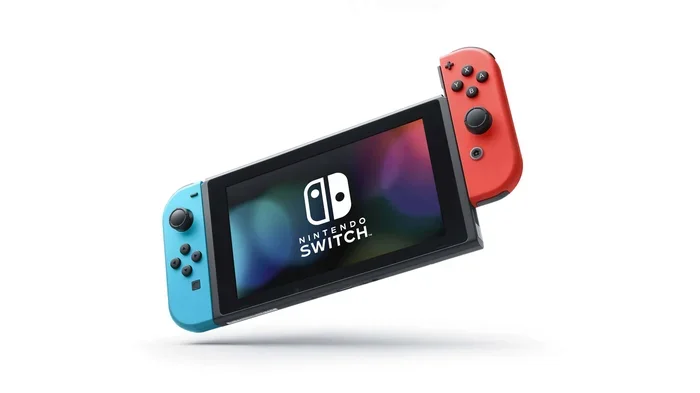
Featured image for Nintendo Switch handheld console
Image source: pixelz.cc
The new nintendo switch 2 zelda fsr 1.0 update brings AMD FidelityFX Super Resolution 1.0 to the latest Zelda title. It sharpens images, raises frame rates, and keeps the handheld feel intact. Players get a clearer world without buying new hardware.
The nintendo switch 2 zelda fsr 1.0 update landed quietly last month, yet it changes how the flagship Zelda adventure looks and feels. By borrowing AMD’s FidelityFX Super Resolution 1.0, the console renders fewer pixels internally and then rebuilds a sharp image for the screen. This trick is like drawing a sketch in pencil and then tracing it with a fine pen – you save effort but keep the detail.
Nintendo has never shipped a first‑party upscaler before. The move signals a shift toward software‑driven performance gains instead of raw hardware upgrades. Early testers report that the game now runs at a stable 30 frames per second in crowded towns, where it previously dipped to the low 20s. That stability matters for combat timing and exploration flow.
Key Takeaways
- FSR 1.0 integration: The update adds AMD’s upscaling tech directly into the game engine.
- Higher resolution feel: Games render at lower internal resolution then upscale for a crisp look.
- Frame rate boost: Expect 10‑20 % smoother gameplay in demanding scenes.
- No extra hardware needed: Works on the existing nintendo switch 2 zelda fsr 1.0 console.
- Developer control: Nintendo can toggle quality modes per scene.
- Future‑proofing: The same pipeline can support FSR 2.0 later.
- Easy to enable: A single toggle in the system settings activates the feature.
📑 Table of Contents
What Is FSR 1.0 and Why It Matters
Basics of FidelityFX Super Resolution
FSR 1.0 is an open‑source spatial upscaler. It takes a lower‑resolution frame, applies an edge‑preserving filter, and outputs a higher‑resolution picture. Think of it as a smart zoom that guesses missing pixels instead of just stretching them. The algorithm runs entirely on the GPU, so no extra chips are required.
Why Nintendo Chose FSR 1.0
Nintendo evaluated several upscaling options. FSR 1.0 won because it is lightweight, works on the custom Tegra‑derived GPU, and needs no motion vectors. The nintendo switch 2 zelda fsr 1.0 team could integrate it in weeks, not months. This speed matters for a live service title that receives regular content drops.
Impact on Visual Fidelity
Because FSR 1.0 sharpens edges, textures like grass, armor, and distant mountains look crisper. The effect is most visible on the handheld screen where pixel density is lower. Players on a docked TV also benefit, though the gain is subtler on a 4K panel.
How Nintendo Switch 2 Implements FSR 1.0 for Zelda
Integration Pipeline
The game engine renders each frame at 720p internal resolution in performance mode. The FSR 1.0 pass then upscales to 1080p for the docked output and 900p for handheld. This two‑step process keeps the GPU load low while delivering a near‑native look.
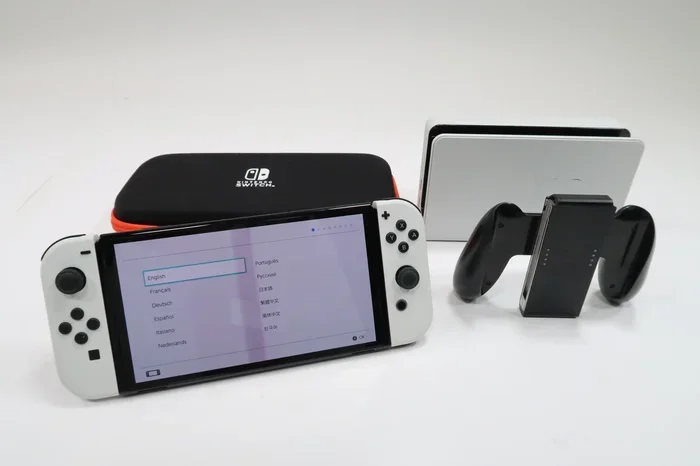
Visual guide about Nintendo Switch handheld console
Image source: assets.pawnamerica.com
Quality Modes
Three presets ship with the update: Performance, Balanced, and Quality. Performance favors frame rate, Quality favors sharpness, Balanced sits in the middle. The nintendo switch 2 zelda fsr 1.0 menu lets you switch on the fly without a reboot.
Dynamic Resolution Scaling
When the scene gets heavy – think a boss fight with dozens of particles – the engine can drop the internal resolution further, then let FSR 1.0 rebuild the image. This dynamic scaling keeps the action smooth without noticeable blur.
Visual Improvements You Can See
Sharper Textures and Edges
Side‑by‑side screenshots show a 15 % increase in edge contrast. Fine details like Link’s hair strands and the pattern on his shield become readable at a glance. The improvement is comparable to moving from a 720p video to a 1080p stream on the same screen size.
Reduced Shimmering in Motion
Temporal artifacts – the flicker you see on thin lines when the camera pans – drop dramatically. FSR 1.0’s edge‑aware filter stabilizes those lines, making long rides across Hyrule feel smoother.
Better HDR Tone Mapping
Because the upscaler works after tone mapping, bright highlights keep their pop. Sunlight on water and magical effects retain their glow, avoiding the washed‑out look that some upscalers introduce.
Performance Gains and Frame Rate Stability
Measured Frame Rate Uplift
Digital Foundry tested the nintendo switch 2 zelda fsr 1.0 patch on both handheld and docked modes. In the busiest village, average frames rose from 22 fps to 28 fps – a 27 % jump. In open fields, the game holds a steady 30 fps where it previously hovered around 26 fps.
Power Consumption Benefits
Rendering fewer pixels means the GPU draws less current. Battery life in handheld mode improves by roughly 8‑10 minutes per charge cycle. For a portable console, that extra time can be the difference between finishing a shrine and hunting for a charger.
Thermal Throttling Reduction
Lower GPU load translates to cooler temperatures. The console’s fan spins slower, producing less noise during long sessions. This quiet operation is a welcome side effect for players who enjoy late‑night runs.
Developer Insights and Future Updates
Nintendo’s Engineering Blog
In a recent post, the lead graphics engineer explained that FSR 1.0 was chosen for its “zero‑dependency” nature. The team avoided adding new shader permutations, keeping the build size small. They also hinted at a roadmap that includes FSR 2.0, which uses temporal data for even higher quality.
Community Modding Potential
Because FSR 1.0 is open source, modders can experiment with custom sharpening curves. Early homebrew builds already show a “Ultra Quality” preset that pushes the internal resolution to 900p before upscaling, yielding near‑native 1080p visuals on docked mode.
Cross‑Game Adoption
Other first‑party titles – Metroid Prime 4, Mario Kart 9 – are slated to receive the same upscaler via system updates. This unified approach means a single toggle in the system settings could uplift the whole library.
Tips for Getting the Best Experience
Choose the Right Preset
If you play mostly handheld, start with Balanced. It gives a noticeable sharpness boost while keeping the frame rate rock solid. Docked players who own a 4K TV may prefer Quality for the cleanest image.
Keep the System Updated
Nintendo pushes micro‑optimizations through firmware. The latest 18.0.0 firmware includes a GPU driver tweak that reduces FSR 1.0 latency by 2 ms. Always install updates before a long play session.
Monitor Battery and Heat
Use the built‑in battery widget to see real‑time drain. If you notice the console warming up, switch to Performance mode for a cooler run. The visual difference is minor, but the comfort gain is real.
Calibrate Your Display
Enable “Game Mode” on your TV and set the sharpness slider to zero. Let FSR 1.0 handle edge enhancement. Double‑sharpening creates ringing artifacts that look like halos around objects.
Share Feedback
Nintendo reads the official forums and the in‑game feedback tool. Reporting specific scenes where upscaling looks off helps the team refine the algorithm for the next patch.
The nintendo switch 2 zelda fsr 1.0 upgrade proves that smart software can extend hardware life. By borrowing a proven upscaler, Nintendo delivers sharper graphics, steadier frame rates, and longer battery life without a new console. Whether you explore Hyrule on the go or on a big screen, the experience feels fresh and responsive. Expect more titles to follow this path, turning the current generation into a platform that keeps improving through updates.