
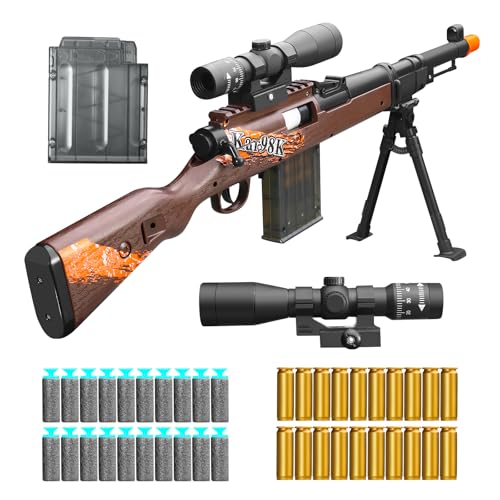
Introducing kids to tactical play through paintball-like activities is a fantastic way to boost physical activity, teamwork, and strategic thinking. But safety and age-appropriateness must come first. Traditional paintball markers often have age restrictions (typically 10+ or 12+), so for younger children, kid-friendly alternatives and essential protective gear are the best way to start.
This guide covers the must-have gear, safe alternatives, and practical tips to ensure your child’s first adventures are thrilling and secure. Whether you're setting up a backyard battle or prepping for a low-impact paintball outing, we’ve got you covered with expert-approved picks and real-world insights. For more on this, see our guide on the 5 best scooters for kids our top.
Why Paintball-Style Play Benefits Kids
Tactical games like paintball (or its safer cousins) offer more than just fun—they’re a powerhouse for child development:
- Physical activity: Running, dodging, and aiming keep kids moving.
- Hand-eye coordination: Tracking targets and firing accurately sharpens motor skills.
- Teamwork & communication: Many games require collaboration to win.
- Strategic thinking: Kids learn to plan, adapt, and outmaneuver opponents.
- Confidence boost: Mastering gear and gameplay builds self-assurance.
For younger kids, focus on low-impact or non-projectile alternatives to match their skill level and attention span.
Safety First: Non-Negotiable Gear for Kids
Before diving into the fun stuff, protective gear is mandatory—no exceptions. Even with low-impact or foam-based play, accidents happen. Here’s what every young player needs:
1. Full-Face Protection
- Mask + goggles combo: A full-face mask (or a lower-face mesh mask + goggles) shields eyes, ears, and teeth from stray shots.
- Lens standards: Look for ASTM-rated or ANSI Z87.1 impact-resistant lenses (the American National Standards Institute sets these benchmarks).
- Ventilation: Mesh masks prevent fogging but may reduce visibility slightly. Clear lenses offer better sight but can fog up—anti-fog coatings help.
2. Body Protection
- Tactical vests: Lightweight vests with padding absorb minor impacts and carry extra ammo (or foam darts).
- Long sleeves/pants: Reduces welts from paintballs or foam projectiles.
- Gloves: Protects hands from direct hits and improves grip on gear.
3. Age & Maturity Check
- Under 8: Stick to foam blasters, throwable paintballs, or gel blasters.
- 8–10: Can handle low-impact paintball (0.50 caliber) with full supervision.
- 10+: May be ready for standard paintball (0.68 caliber) at a regulated field with strict safety rules.
Pro tip: Always test gear fit before play. A loose mask or bulky vest can be as dangerous as no protection at all.
Top 5 Kid-Friendly Paintball Gear & Alternatives
Not all kids are ready for traditional paintball markers—and that’s okay! These safe, engaging, and durable options deliver the excitement without the risks.
1. Bsyzyani Shell-Ejecting Foam Shotgun
Perfect for: Immersive role-play, backyard battles, and introducing shooting mechanics.
 Shell-ejecting action adds a thrilling, movie-like feel to foam dart battles.
- Why it’s great:
- Shell-ejecting mechanism mimics real shotguns for ultra-realistic play.
- Soft foam darts (20 included) are harmless but satisfying to fire.
- Lightweight (under 2 lbs) for small hands.
- Encourages outdoor play—kids stay active while honing aim and strategy.
- Best for ages: 6+ (with supervision).
- Watch out for:
- Not a true paintball gun (no paintball compatibility).
- Shell colors may vary (random packaging).
In practice, kids love the tactile feedback of ejecting shells—it’s a hit at parties and solo missions alike.
2. Airsoft Mask & Goggles Set
Perfect for: Essential face/eye protection across all tactical games.
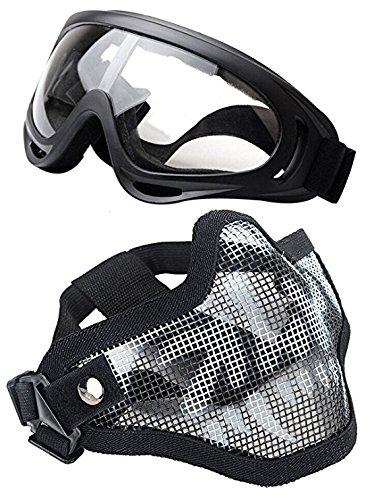 Mesh design prevents fogging while blocking pellets or paintballs.
- Why it’s great:
- Low-carbon steel mesh stops projectiles without sharp edges.
- UV400-rated goggles protect eyes from sun and impacts (tested for BBs under 310 fps at 5 meters).
- Adjustable straps fit kids and smaller adults.
- Foldable and lightweight for easy storage and comfort.
- Best for ages: 5+ (fits most children with adjustable straps).
- Watch out for:
- Only covers lower face/eyes (not full head).
- Mesh may slightly obscure vision vs. clear plastic.
Common mistake: Skipping face protection for "soft" games. Even foam darts can hurt at close range—always mask up!
3. Dazmers Inflatable Army Tank
Perfect for: Turning any backyard into a tactical battlefield.
 Durable inflatable tank adds a bunker or hideout to foam dart wars.
- Why it’s great:
- Instant fort: Kids can hide, peek, and strategize like real soldiers.
- Versatile: Works for paintball, foam blasters, water balloon fights, or even Nerf battles.
- Party-ready: A standout prop for themed birthdays or outdoor gatherings.
- Easy to store: Deflates for compact keeping.
- Best for ages: 4+ (with help inflating).
- Watch out for:
- Needs anchoring (sandbags or stakes) on windy days.
- Inflation takes ~5–10 minutes.
Eco-friendly play tip: Pair with biodegradable STEM toys for a greener backyard battle.
4. Children’s Tactical Vest
Perfect for: Organizing gear and boosting immersion in role-play.
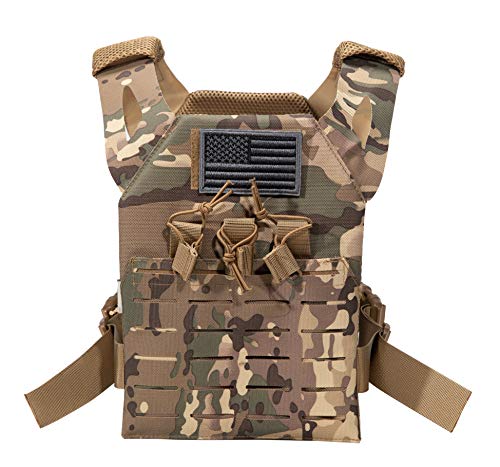 Multiple pockets and straps let kids carry darts, water bottles, or "mission essentials."
- Why it’s great:
- Adjustable straps grow with your child (fits most 5–12-year-olds).
- MOLLE webbing attaches extra pouches for customization.
- Durable fabric withstands rough play.
- Encourages responsibility: Kids learn to manage their own gear.
- Best for ages: 6+ (smaller sizes available).
- Watch out for:
- Not impact-proof (use with padding for paintball).
- May feel bulky for petite kids.
For tech-loving kids, this vest pairs well with top math game boards for a strategy-heavy play session.
5. Goblies Throwable Paintballs
Perfect for: Messy, colorful, gun-free paintball fun.
 Pre-hydrated, biodegradable paintballs ready for immediate splat action.
- Why it’s great:
- No guns needed: Just throw like water balloons for instant paint splatters.
- Washable & non-toxic: Dyes clean easily from skin/clothes (wear play clothes!).
- Eco-friendly: Seaweed-based casing biodegrades—no plastic waste.
- Pre-hydrated: Ready to use straight from the bag.
- Best for ages: 5+ (great for parties).
- Watch out for:
- Messy: Best played outdoors on grass or pavement.
- Not compatible with paintball markers.
Parent hack: Keep a hose or bucket of water nearby for quick cleanups. The vibrant colors make for epic photos!
Paintball vs. Alternatives: Which Is Right for Your Child?
| Option | Age Range | Impact Level | Mess Factor | Cost | Best For |
|---|---|---|---|---|---|
| Traditional Paintball | 10+ | High | High (paint) | $$$ | Older kids at regulated fields |
| Low-Impact Paintball | 8–12 | Medium | High | $$ | Beginners at kid-friendly fields |
| Foam Dart Blasters | 5+ | Low | Low | $ | Backyard battles, indoor play |
| Gel Blasters | 7+ | Low | Low (water-based) | $$ | Outdoor/indoor skirmishes |
| Throwable Paintballs | 5+ | None | High | $ | Parties, no-gun play |
Low-impact paintball uses 0.50-caliber balls (vs. standard 0.68) shot at lower velocities (~200–250 fps), reducing sting. Always check field rules for age limits.
How to Set Up a Safe Backyard Paintball Game
Step 1: Choose Your Weapons
- Ages 5–7: Foam blasters or throwable paintballs.
- Ages 8–10: Low-impact paintball markers (rent or buy) + full safety gear.
- Ages 10+: Standard paintball gear with strict supervision.
Step 2: Define the Battlefield
- Boundaries: Use cones, ropes, or natural landmarks.
- Obstacles: Add inflatable bunkers, cardboard boxes, or trees for cover.
- Safe zones: Designate a "pit" area for reloading or timeouts.
Step 3: Safety Rules (Non-Negotiable!)
- Masks on at all times during play—no exceptions.
- No blind firing: Players must see their target before shooting.
- Minimum distance: Enforce a 10-foot rule for close-range shots (or 15 feet for standard paintball).
- Surrender rule: If a player is hit at close range, they call "out" immediately.
- Adult supervision: Always have at least one adult overseeing the game.
Step 4: Game Modes to Try
- Capture the Flag: Classic team-based objective.
- Last Man Standing: Free-for-all or team elimination.
- Zombie Tag: One "zombie" tags others to join their team.
- Target Practice: Set up cans or targets for solo skill-building.
Pro tip: For younger kids, keep games short (10–15 minutes) to maintain focus and prevent fatigue.
FAQ: Your Burning Questions Answered
Q: What’s the youngest age for paintball?
A: Most fields require kids to be 10+ for standard paintball. For low-impact paintball, some venues allow 8–9-year-olds with parental consent and full gear. At home, foam blasters or throwable paintballs are safe for ages 5+. For more on this, see our guide on 3 top picks paintball best for kids ohio.
Q: Are paintball guns safe for kids?
A: Only with proper gear and supervision. Traditional paintball guns can cause bruises or welts, so they’re not recommended for kids under 10. For younger children, foam blasters, gel blasters, or throwable paintballs are far safer.
Q: What’s the difference between paintball and airsoft?
A:
- Paintball: Uses paint-filled gelatin balls that burst on impact (easier to see hits).
- Airsoft: Uses plastic BBs (more realistic but can cause more pain if unprotected).
- For kids: Paintball is generally safer due to softer projectiles and brighter visibility.
Q: How do I clean paintball stains?
A:
- Clothing: Soak in cold water (hot water sets the dye) with detergent, then wash as usual.
- Skin: Use baby oil or rubbing alcohol on a cotton ball, then rinse with soap and water.
- Goblies: Their washable dyes come out easily with water and mild soap.
Q: Can kids play paintball indoors?
A: Only at dedicated indoor arenas with proper ventilation, netting, and safety rules. Never play standard paintball indoors at home—it’s a mess and safety hazard. Foam blasters or gel blasters are safer for indoor play. For more on this, see our guide on 5 best virtual reality headsets for kids dive.
Q: What’s the best first paintball gun for kids?
A: For true paintball, start with a low-impact 0.50-caliber marker (e.g., Tippmann Cronus or Valken M17). For younger kids, a foam blaster (like the Bsyzyani) or gel blaster is the best intro.
Q: How do I know if my child is ready for paintball?
A: Ask yourself:
- Can they follow multi-step instructions (e.g., "Mask on, then load, then aim")?
- Do they understand safety rules and respect boundaries?
- Are they comfortable with the gear (not scared of masks or loud noises)? If yes, they’re likely ready for low-impact paintball with supervision.
Conclusion
The key to safe, fun paintball-style play for kids is matching the gear and game to their age and maturity. For younger children (5–9), foam blasters, throwable paintballs, and tactical vests offer thrilling adventures without the risks. For older kids (10+), low-impact or standard paintball can be a fantastic next step—as long as safety gear and rules are non-negotiable.
Your next step: Pick one piece of gear from this list (like the Bsyzyani foam shotgun or Goblies paintballs) and plan a backyard battle this weekend. Don’t forget the masks—and have a blast!