
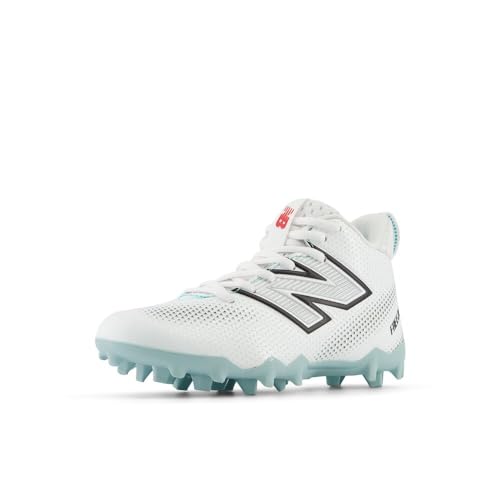
Getting your child set up with the right gear for lacrosse is crucial, and that definitely includes their cleats! Good footwear isn't just about looking cool (though that helps!); it's about providing the traction, support, and comfort young players need to excel on the field, prevent injuries, and truly enjoy the game. Picking the best lacrosse cleats for kids can feel a bit overwhelming with so many options out there, but don't sweat it – we've got you covered.
In this guide, we'll break down what makes a great pair of youth lacrosse cleats and review our top 5 picks, helping you make an informed decision for your budding lacrosse star. For more gear recommendations, check out our blog. Let’s dive in and find the perfect pair that combines performance, durability, and value! For more on this, see our guide on 10 best track and field shoes for kids.
What Makes a Great Pair of Kids' Lacrosse Cleats?
Before we jump into our top picks, let's quickly go over some key features you should look for when choosing youth lacrosse cleats:
Traction & Grip: Lacrosse involves a lot of quick cuts, sprints, and sudden stops. The cleat pattern on the outsole is vital for maintaining grip on various field conditions, from dry grass to muddy turf. Look for multi-directional cleat patterns.
Ankle Support: Many parents prioritize ankle support, especially for younger players whose ankles might be more vulnerable. High-top cleats offer the most support, while mid-cut provides a balance, and low-cut allows for maximum agility.
Comfort & Fit: An uncomfortable cleat can ruin a game. Look for cushioning, breathable materials, and an adjustable lacing system for a snug, secure fit that prevents blisters and discomfort.
Durability: Kids play hard! You want cleats that can withstand the rigors of practices and games throughout the season. Synthetic uppers are often a good choice for their balance of durability and lightweight performance.
Weight: Lighter cleats can help with speed and agility, reducing fatigue over a long game or practice. However, don't sacrifice durability or support for minimal weight savings.
For official guidelines on youth sports equipment safety, you can refer to the U.S. Consumer Product Safety Commission.
Our Top 5 Best Lacrosse Cleats for Kids Reviews
Here are our top recommendations, designed to give your child an edge on the field.
New Balance Freezelx V5 Lacrosse Shoe

Classic New Balance design with robust TPU outsole for multi-surface traction
The New Balance Freezelx V5 is a fantastic choice for young players who want a shoe that feels and performs like what the pros wear. Taking inspiration directly from New Balance's adult FreezeLX models, these cleats are built to offer serious performance on the field. They feature a robust TPU molded cleat outsole that provides excellent multi-directional traction, ensuring your child can make those crucial cuts and bursts of speed on both natural grass and artificial turf. The synthetic upper is designed for durability and stability, making sure these cleats can handle the intensity of youth lacrosse season after season.
Key Features: TPU molded cleat outsole provides superior traction on both turf and natural surfaces
Traditional tongue design for a classic fit
Designed inspired by adult FreezeLX models, offering a professional feel
Synthetic upper for enhanced durability and stability
Adjustable lace closure for a customized and secure fit
Pros: Excellent traction on diverse field types
Durable construction built to last
Provides good stability during play
Inspired by adult pro models for a premium feel
Customizable fit with adjustable laces
Cons: May feel slightly heavier than some minimalist options
Traditional tongue might not suit all preferences
User Impressions: Parents frequently praise the Freezelx V5 for its robust build and reliable grip. Kids love the "pro" feel, and many users note how well these cleats hold up throughout a demanding season, making them a solid investment for serious young players. For more active gear ideas, explore our top picks for long underwear to keep them warm during colder games. See it on Amazon here
New Balance Boy's FreezeLX V4 Lacrosse Shoe

Lightweight synthetic/mesh upper with QUIX outsole for agile play
The New Balance Boy's FreezeLX V4 is another strong contender in the youth lacrosse cleat market, specifically designed for those dynamic, agile players. What really sets this model apart is its innovative QUIX outsole technology. This isn't just a marketing buzzword; it genuinely helps provide enhanced traction during quick, lateral, and cutting movements – exactly what young lacrosse players need when dodging opponents or changing direction on a dime. The lightweight synthetic/mesh upper ensures breathability and comfort without sacrificing durability, making it a great all-around performer for kids who are constantly on the move.
Key Features: QUIX outsole technology for superior traction during quick, cutting movements
Lightweight synthetic/mesh upper for breathability and agility
Traditional tongue for a familiar and comfortable fit
TPU molded cleat outsole provides reliable traction on turf and natural surfaces
Adjustable lace closure for a personalized and secure fit
Pros: Excellent for agility and quick directional changes
Lightweight design reduces foot fatigue
Good blend of breathability and durability
Reliable traction on various surfaces
Comfortable and secure fit
Cons: Mesh sections might require more frequent cleaning
Some players might prefer more rigid support
User Impressions: Reviewers often highlight the V4's effectiveness in promoting agile play, with many commenting on how quickly their children can maneuver on the field. The lightweight feel is a definite plus for active kids, and the cleats are generally regarded as comfortable right out of the box. See it on Amazon here
Under Armour Unisex Highlight LAX MC JR Lacrosse Cleat

Performance-driven Under Armour cleat for young athletes
The Under Armour Unisex Highlight LAX MC JR cleats embody Under Armour's core mission: to make athletes better. While the features list might focus on the brand's philosophy, the product itself delivers on that promise by providing young lacrosse players with performance-driven footwear. These cleats are designed to help your child achieve their goals on the field by offering a combination of support, comfort, and the necessary grip for the fast-paced game of lacrosse. They are built for kids who want to push their limits, offering reliable performance innovation that helps them tackle every sprint, dodge, and shot with confidence.
Key Features: Embodies Under Armour's mission to enhance athlete performance
Designed for young players to crush their goals on the field
Offers performance innovation for game-changing plays
Utilizes materials and construction to push the limits of what's possible
A reliable option for competitive youth lacrosse
Pros: Backed by a brand known for high-performance athletic gear
Provides essential support for dynamic lacrosse movements
Aims to boost a young athlete's confidence and capability
Good balance of comfort and stability
Often features eye-catching designs
Cons: Specific technical features not detailed in the provided description (requiring a general assessment)
May not be the lightest option available
User Impressions: Parents and kids often praise Under Armour cleats for their consistent quality and supportive fit. Users typically find them durable enough for a full season, and the brand's reputation for performance gear usually translates to a positive experience on the lacrosse field. See it on Amazon here
Under Armour Unisex Highlight JR Lacrosse Cleats

High-top design with lace-up collar for maximum ankle support
For young athletes who need maximum ankle support and a robust, aggressive feel, the Under Armour Unisex Highlight JR Lacrosse Cleats are a top-tier choice. These cleats are built tough, featuring a durable synthetic upper that provides structured comfort, making them ideal for the most aggressive players on the field. The standout feature is undoubtedly the lace-up high-top collar, which offers ultimate ankle support – a huge plus for preventing twists and sprains during intense play. Combined with a full-length EVA sockliner for plush underfoot comfort and a lightweight TPU plate with a proven traction pattern, these cleats deliver reliable grip and performance that can truly make a difference in a game.
Key Features: Durable synthetic upper designed for structured comfort
Lace-up high-top collar for ultimate ankle support
Full-length EVA sockliner for superior underfoot comfort
Lightweight TPU plate with proven traction pattern for reliable grip & performance
Standard tie lace type for a secure closure
Pros: Exceptional ankle support due to high-top design
Highly durable construction withstands aggressive play
Comfortable cushioning for long games and practices
Excellent traction for various field conditions
Provides a secure, locked-in feel
Cons: High-top design might feel restrictive to some players
Can be slightly heavier than low-cut options
May take longer to put on and take off
User Impressions: Customers consistently highlight the excellent ankle support and overall durability of the Highlight JR cleats. Many parents appreciate the added protection for their children, and players often comment on the comfortable feel despite the robust support, making them a favorite for hard-playing youth athletes. For additional gear to support active kids, consider our low bunk beds for a safe and stylish sleeping solution. See it on Amazon here
New Balance Boy's Rush V4 Lacrosse Shoe

Modern design with updated cleat plate for better traction
The New Balance Boy's Rush V4 is designed for young players seeking a blend of performance and modern aesthetics. This updated model features an improved upper design that not only looks sharp but also enhances the overall performance on the field. The synthetic upper provides a good balance of durability and lightweight feel, allowing for agility without sacrificing protection. One of the significant upgrades in the V4 is the updated cleat plate, which translates to better traction and more reliable performance during quick movements and changes in direction. With its adjustable lace closure, your child can achieve a customized and secure fit, ensuring comfort and stability throughout the game.
Key Features: Improved upper design for enhanced performance and aesthetics
Durable synthetic upper material
Updated cleat plate for better traction and performance
Adjustable lace closure for a customized and secure fit
Pros: Modern and appealing design
Good performance with updated cleat plate
Durable enough for regular play
Offers a comfortable and customizable fit
Balanced feel for agility and support
Cons: Might not offer as much specialized support as high-top options
Lacks specific advanced technologies like QUIX in other NB models
User Impressions: Users often praise the Rush V4 for its fresh look and solid performance. Parents report that their kids find them comfortable and effective on the field, with the updated design being a definite plus. These cleats are a reliable, all-around option for young lacrosse players. See it on Amazon here
How to Choose the Right Lacrosse Cleats for Your Child
Selecting the perfect pair of lacrosse cleats for your child involves more than just picking a popular brand or flashy design. Here’s a step-by-step guide to ensure you make the best choice:
Assess Your Child’s Playing Style: Does your child play as a midfielder who needs agility, or a defender who benefits from extra ankle support? Midfielders might prefer low-cut or mid-cut cleats for mobility, while defenders may opt for high-top cleats for added stability.
Consider Field Conditions: If your child primarily plays on natural grass, traditional field cleats with longer studs are ideal. For artificial turf, turf-specific cleats with shorter, more numerous rubber studs provide better grip without damaging the surface.
Prioritize Fit and Comfort: Always have your child try on cleats with the socks they’ll wear during games. The fit should be snug but not tight, with about a thumb’s width of space at the toe. Remember, cleats that are too large can cause blisters and instability.
Evaluate Durability: Look for cleats with reinforced toe caps and durable synthetic uppers, especially if your child plays frequently. Cleats with poor durability can wear out quickly, leading to reduced performance and potential injuries.
Check for Breathability: Lacrosse is a high-intensity sport, and feet can get hot and sweaty. Cleats with mesh panels or breathable materials help keep feet cool and comfortable, reducing the risk of blisters and odor.
Test Traction: If possible, have your child test the cleats on a small patch of grass or turf to ensure the traction meets their needs. Good traction is essential for quick cuts, sprints, and sudden stops.
Budget Considerations: While it’s tempting to go for the cheapest option, investing in a high-quality pair of cleats can save you money in the long run. Durable, well-made cleats last longer and provide better support, reducing the risk of injuries.
Lacrosse Cleats vs. Other Sports Cleats: What’s the Difference?
While lacrosse cleats may look similar to cleats for other sports, they are specifically designed to meet the unique demands of lacrosse. Here’s how they compare to other types of cleats:
Lacrosse vs. Soccer Cleats: Soccer cleats are optimized for forward motion and often have a toe cleat for better acceleration. Lacrosse cleats, on the other hand, prioritize lateral movement and quick cuts, with a cleat pattern that provides multi-directional traction. Soccer cleats also tend to have a lower profile, while lacrosse cleats may offer more ankle support.
Lacrosse vs. Football Cleats: Football cleats are designed for the stop-and-start nature of the game, with a focus on stability and traction for short bursts of speed. They often have a toe cleat and a more rigid sole. Lacrosse cleats are lighter and more flexible, allowing for the agility and quick direction changes required in lacrosse.
Lacrosse vs. Baseball Cleats: Baseball cleats often have a toe cleat for digging into the dirt, which is unnecessary for lacrosse. Lacrosse cleats have a more versatile cleat pattern to handle both grass and turf, and they prioritize lightweight design for speed and agility.
Lacrosse vs. Rugby Cleats: Rugby cleats are built for durability and stability, with a focus on scrummaging and running with the ball. They often have a higher cut and more aggressive cleat pattern. Lacrosse cleats are lighter and designed for quicker, more agile movements.
Caring for Your Child’s Lacrosse Cleats: Tips for Longevity
Proper care and maintenance can significantly extend the life of your child’s lacrosse cleats. Here are some practical tips to keep them in top condition:
Clean After Every Use: Remove dirt and mud from the cleats after each game or practice. Use a soft brush or cloth to wipe down the uppers and a toothbrush to clean the cleat studs. This prevents buildup that can degrade the materials over time.
Avoid Machine Washing: Never put cleats in the washing machine or dryer, as the heat and agitation can damage the glue and materials. Instead, use a damp cloth with mild soap to clean stubborn stains.
Air Dry Properly: After cleaning, let the cleats air dry at room temperature. Avoid placing them near a heater or in direct sunlight, as excessive heat can warp the materials. Stuffing them with newspaper can help absorb moisture and maintain their shape.
Store Correctly: Store cleats in a cool, dry place away from direct sunlight. Avoid leaving them in a gym bag or car trunk, where heat and humidity can cause damage.
Rotate Cleats: If your child plays frequently, consider having two pairs of cleats to rotate between games and practices. This allows each pair to dry and recover fully, extending their lifespan.
Check for Wear and Tear: Regularly inspect the cleats for signs of wear, such as worn-down studs, cracks in the sole, or damage to the upper. Replace cleats when they show significant wear to ensure your child’s safety and performance.
FAQs About Kids' Lacrosse Cleats
Getting the right gear often brings up a few questions. Here are some common ones about youth lacrosse cleats:
Q1: Why can't my child just wear soccer cleats for lacrosse? While soccer and lacrosse cleats look similar, they have key differences. Lacrosse requires more lateral movements, quick cuts, and sudden stops, often on varied field conditions. Lacrosse cleats are specifically designed with cleat patterns and sole rigidity to support these movements, providing better traction and reducing the risk of injury compared to soccer cleats, which are optimized for forward motion.
Q2: How important is ankle support in lacrosse cleats? Ankle support is highly important, especially for younger players. Lacrosse involves a lot of rapid changes in direction, which can put stress on the ankles. Cleats with good ankle support (like mid-cut or high-top designs) can help stabilize the joint and reduce the risk of sprains. Ultimately, the best choice depends on your child's playing style, history of ankle injuries, and personal preference.
Q3: What's the difference between high-top, mid-cut, and low-cut cleats?
- High-top cleats extend up over the ankle, offering maximum support and stability. They're great for players who need extra ankle protection or play more aggressive roles.
- Mid-cut cleats hit right at the ankle, providing a balance of support and mobility. They're a popular choice for all-around players.
- Low-cut cleats sit below the ankle, offering the most freedom of movement and a lightweight feel. They're preferred by speed-focused players who prioritize agility.
Q4: How do I know what size lacrosse cleats to buy for my child? It's always best to measure your child's foot and check the manufacturer's sizing chart, as sizes can vary between brands. Allow about a thumb's width space between their longest toe and the end of the cleat. Also, consider the socks they'll wear during games. Trying them on with lacrosse socks is ideal. Avoid buying cleats that are too big "to grow into," as this can cause blisters and lead to instability and potential injury.
Q5: How often should lacrosse cleats be replaced? The lifespan of cleats depends on how often your child plays, the intensity of their play, and how well they're cared for. Generally, youth cleats might need replacing every season, or even more frequently if your child is growing rapidly. Look for signs of wear like worn-down cleats, cracks in the sole, or significant damage to the upper. Comfort and fit are also key indicators – if they're no longer comfortable, it's time for a new pair.
Q6: How do I clean and maintain my child's lacrosse cleats? After each game or practice, knock off any loose dirt or mud. For more stubborn grime, use a soft brush (like an old toothbrush) and mild soap with water. Avoid putting them in a washing machine or dryer, as this can damage the materials and glue. Let them air dry completely, stuffing them with newspaper to absorb moisture and help maintain their shape. Proper care extends their life!
Q7: Are turf cleats or field cleats better for kids' lacrosse? Most youth lacrosse is played on natural grass fields, where traditional field cleats (with longer, more spaced-out studs) offer the best traction. Turf cleats (with numerous, shorter rubber nubs) are designed for artificial turf surfaces, providing grip without digging in too much. If your child plays exclusively on turf, turf cleats are great. However, if they play on both, or primarily on grass, regular field cleats are usually the more versatile and appropriate choice.
Q8: Can my child wear lacrosse cleats for other sports? While lacrosse cleats can technically be used for other sports, they are specifically designed for the demands of lacrosse. For example, they may not provide the same level of traction or support needed for soccer or football. It’s best to use sport-specific cleats to ensure optimal performance and safety.
Q9: What materials are best for kids' lacrosse cleats? Synthetic materials, such as polyurethane or PVC, are popular for youth lacrosse cleats because they offer a good balance of durability, lightweight performance, and affordability. Leather cleats can also be durable but may require more maintenance and can be heavier. Mesh panels are often added for breathability and comfort.
Q10: How can I tell if my child’s cleats are causing foot problems? Signs that your child’s cleats may be causing issues include blisters, hot spots, or pain in the feet, ankles, or knees. If your child complains of discomfort during or after games, it may be time to reassess the fit or condition of their cleats. Properly fitted, high-quality cleats should provide comfort and support without causing pain.
Conclusion
Choosing the best lacrosse cleats for kids doesn't have to be a tough decision. By focusing on essential features like traction, support, comfort, and durability, and considering your child's specific playing style and needs, you can easily find a pair that helps them perform their best. Our top picks from New Balance and Under Armour offer excellent options for every young athlete, ensuring they're well-equipped to conquer the field. For more tips on keeping your child comfortable and safe during sports, check out our guide on soothing lotions for sensitive skin. Get your child geared up with confidence, and watch them shine!