
Enlarged adenoids can turn bedtime into a battle and leave your child constantly congested. While surgery is an option for severe cases, many parents find relief through carefully chosen nasal sprays that clear mucus, reduce irritation, and help their little one breathe easier. The key is picking the right type—saline-based options are generally safest for young children, while medicated sprays require caution and medical guidance.
This guide covers the best nasal sprays for kids with adenoids, how they work, and what to consider before use. We’ll also clarify which products aren’t suitable for nasal use, so you can make an informed choice. For more on this, see our guide on 5 best saline nasal sprays for kids help.
Understanding Adenoids and Their Impact on Kids
Adenoids are part of the immune system, located high in the throat behind the nose. When they swell—often due to infections or allergies—they can block nasal airflow, leading to:
- Chronic nasal congestion (stuffy nose that won’t clear)
- Mouth breathing (especially at night)
- Snoring or sleep apnea (pauses in breathing during sleep)
- Recurrent ear infections (fluid buildup from poor drainage)
- Post-nasal drip and cough (mucus dripping down the throat)
 Mouth breathing at night is a common sign of adenoid obstruction.
These symptoms disrupt sleep, affect school performance, and even impact facial development in long-term cases. While adenoids often shrink naturally by the teen years, managing symptoms in the meantime is crucial.
When to see a doctor: If your child has persistent snoring, breathing pauses, or frequent ear infections, consult a pediatrician. They may recommend a sleep study or ENT evaluation. For non-urgent concerns, top smart air quality monitors for children's rooms can help track environmental irritants that worsen congestion.
Why Nasal Sprays Help with Adenoid Symptoms
Nasal sprays won’t shrink adenoids, but they can relieve the discomfort they cause. Here’s how:
| Type of Spray | How It Works | Best For | Caution |
|---|---|---|---|
| Saline (isotonic) | Rinses mucus, allergens, and irritants | All ages, daily use | May need frequent application |
| Hypertonic saline | Draws fluid from swollen tissues | Moderate congestion, older kids | Can cause mild stinging |
| Steroid (prescription) | Reduces inflammation long-term | Chronic symptoms, doctor-supervised | Not for kids under 4–6 (varies) |
| Decongestant | Shrinks blood vessels to open airways | Short-term use (3–5 days max) | Rebound congestion, age restrictions |
For most kids with adenoids, saline sprays are the safest starting point. They’re drug-free, non-habit forming, and effective for clearing mucus and moisturizing dry passages.
Pro tip: Use saline sprays before bedtime or meals to maximize comfort. A common mistake is overusing decongestants, which can worsen congestion over time.
4 Best Nasal Sprays for Kids with Adenoids
Not all nasal sprays are created equal—some are unsafe for young children, while others lack the gentle formulation needed for sensitive nasal passages. Below are the top picks for adenoid-related congestion, ranked by safety and effectiveness.
1. Arm & Hammer Baby Nasal Spray (Best for Infants & Toddlers)
 Gentle saline mist designed for delicate nasal passages.
Why it’s great for adenoids:
- Drug-free formula (water, salt, baking soda) safely clears mucus and irritants.
- Sterile, tapered nozzle fits tiny nostrils without discomfort.
- No rebound effect—safe for daily use.
How to use:
- Lay your child on their back, tilt their head slightly upward.
- Insert the nozzle just inside the nostril (don’t go deep).
- Spray 1–2 times per nostril, then use a bulb syringe to remove loosened mucus if needed.
Limitations:
- Won’t provide instant relief for severe blockages (no decongestant).
- May need 3–4 uses per day for chronic congestion.
Parent feedback: Many report improved sleep and easier breathing within a few days of consistent use. The lack of harsh chemicals makes it a pediatrician-recommended choice.
2. Ayr Saline Nasal Mist Spray (Best for Frequent Use)
 Isotonic saline solution for natural congestion relief.
Why it’s great for adenoids:
- Stimulates natural mucus clearance—thins thick secretions for easier removal.
- Restores moisture to dry, irritated nasal passages (common with mouth breathing).
- Alcohol-free and non-addictive—no risk of rebound congestion.
How to use:
- Have your child sit upright.
- Insert the nozzle into one nostril, close the other, and spray while breathing in gently.
- Repeat 2–3 times per nostril as needed.
Limitations:
- Some kids dislike the mist sensation at first (practice with one spray to start).
- May require more frequent use than medicated sprays.
Parent feedback: Praised for its simplicity and effectiveness during allergy season or colds. Works well alongside a reliable humidifier to combat dry air.
3. 4Way Fast Acting Nasal Spray (For Older Kids 12+)
 Decongestant spray for rapid but short-term relief.
Why it’s sometimes used for adenoids:
- Fast-acting—constricts blood vessels to open airways within minutes.
- Effective for sinus pressure, which can accompany adenoid swelling.
Cautions:
- Not for children under 12 (per manufacturer guidelines).
- Rebound congestion risk: Using for more than 3–5 days can worsen stuffiness.
- Drying effect: May irritate nasal passages with prolonged use.
When to consider it:
- For older kids with acute congestion (e.g., during a cold).
- Short-term use only—switch to saline afterward.
Parent feedback: Users love the immediate relief but stress the importance of strict time limits. Not ideal for long-term adenoid management.
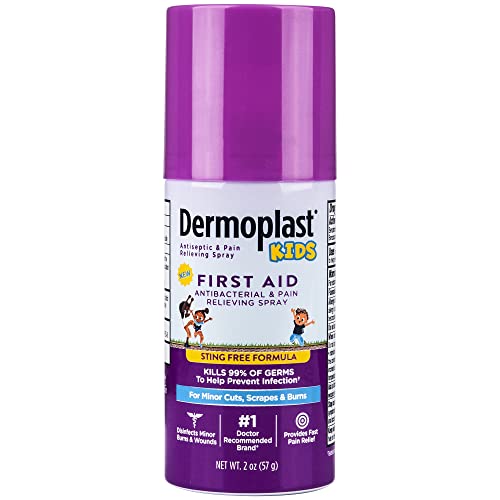
❌ Product to Avoid: Dermoplast Kids Sting-Free First Aid Spray
Image source: Amazon
Why it’s not for adenoids:
- This is an antiseptic skin spray for cuts, scrapes, and burns—never for nasal use.
- Contains pain relievers and antibacterial agents not meant for internal tissues.
Safe alternatives: Stick to saline sprays (like Arm & Hammer or Ayr) for nasal congestion. For first-aid needs, Dermoplast is excellent—but keep it in your medicine cabinet, not your child’s nightstand.
How to Choose the Right Nasal Spray for Your Child
1. Age Matters Most
- Under 2 years: Only saline sprays (Arm & Hammer, Ayr) or bulb syringe rinses.
- Ages 2–11: Saline sprays or prescription steroid sprays (if recommended by a doctor).
- 12+ years: Can consider short-term decongestants (like 4Way) with caution.
2. Severity of Symptoms
| Symptom | Best Spray Type | Avoid |
|---|---|---|
| Mild congestion | Saline | Decongestants |
| Thick mucus | Hypertonic saline | Long-term decongestants |
| Chronic inflammation | Prescription steroid | Over-the-counter decongestants |
| Dryness/irritation | Saline + humidifier | Alcohol-based sprays |
3. Application Tips for Fussy Kids
- Demonstrate first: Spray a little on your own hand to show it’s safe.
- Use distractions: Try during bath time or while watching a favorite show.
- Warm the bottle: Cold spray can startle—hold it in your hands for a minute first.
- Pair with rewards: Stickers or praise for cooperative use.
4. When to Skip the Spray and See a Doctor
Consult your pediatrician if: ✅ Symptoms persist beyond 10 days despite saline use. ✅ Your child snores loudly or has breathing pauses at night. ✅ There’s blood in mucus or severe facial pain. ✅ Ear infections recur more than 3 times in 6 months.
Did you know? Enlarged adenoids can sometimes be managed with allergy control. If allergies are a trigger, choosing eco-friendly STEM toys (hypoallergenic materials) and reducing dust mites in the home can help.
Saline Spray vs. Medicated Spray: Key Differences
| Feature | Saline Spray | Medicated Spray |
|---|---|---|
| Active Ingredient | Salt water (0.9% saline) | Decongestants (oxymetazoline) or steroids (fluticasone) |
| Mechanism | Mechanical cleansing | Chemical (shrinks tissues or reduces inflammation) |
| Speed of Relief | Gradual (5–15 minutes) | Fast (within minutes) |
| Safety for Kids | Safe for all ages | Age-restricted (often 6+ or 12+) |
| Long-Term Use | Yes, daily | No (3–5 days max for decongestants) |
| Side Effects | None | Rebound congestion, dryness, irritation |
| Prescription Needed? | No | Sometimes (steroids) |
Bottom line: Start with saline. If symptoms persist, ask your pediatrician about prescription nasal steroids (e.g., Flonase Kids), which are safer for long-term use than decongestants.
FAQ: Nasal Sprays and Adenoids in Kids
Q: Can nasal sprays shrink adenoids?
No. Sprays manage symptoms (congestion, dryness) but won’t reduce adenoid size. If adenoids are severely enlarged, your doctor may recommend adenoidectomy (surgical removal).
Q: How often can my child use saline spray?
Saline sprays are safe for daily use, 2–4 times per day or as needed. There’s no risk of dependency.
Q: Are there natural alternatives to saline sprays?
Yes! Options include:
- Neti pots (for older kids, with distilled water).
- Bulb syringes (for infants, with saline drops).
- Humidifiers (add moisture to dry air).
- Hydration (thins mucus naturally).
Q: Can my 5-year-old use a decongestant spray?
Most over-the-counter decongestant sprays (like 4Way) are not recommended for kids under 12 due to rebound congestion risks. For younger children, saline is the safest choice. Always check with your pediatrician first.
Q: What’s the difference between isotonic and hypertonic saline?
- Isotonic (0.9% saline): Matches the salt concentration in your body—gentle for daily use.
- Hypertonic (higher salt): Draws fluid from swollen tissues, providing stronger (but sometimes drier) relief. Best for moderate congestion in older kids.
Q: Can nasal sprays cause nosebleeds?
Saline sprays rarely cause nosebleeds. Decongestant sprays are more likely to dry out nasal passages, increasing the risk. To prevent nosebleeds:
- Use saline sprays as directed.
- Apply a thin layer of petroleum jelly to the nostrils if dryness occurs.
- Avoid picking the nose.
Q: My child hates nasal sprays. What else can I try?
- Saline drops (easier for infants).
- Steam inhalation (sit in a bathroom with a hot shower running).
- Elevate the head during sleep to reduce congestion.
- Honey (for kids over 1)—soothes throat irritation from post-nasal drip.
Final Recommendations: Best Nasal Sprays for Adenoids
| Product | Type | Age Range | Best For | Rating |
|---|---|---|---|---|
| Arm & Hammer Baby Nasal Spray | Saline | 0+ | Infants, daily use | ⭐⭐⭐⭐⭐ |
| Ayr Saline Nasal Mist | Saline | 2+ | Frequent use, moisture restoration | ⭐⭐⭐⭐⭐ |
| 4Way Fast Acting | Decongestant | 12+ | Short-term, severe congestion | ⭐⭐⭐ (with caution) |
| Prescription Steroid Spray | Steroid | 4–6+ (varies) | Chronic inflammation | ⭐⭐⭐⭐⭐ (doctor-approved) |
Our top pick: Arm & Hammer Baby Nasal Spray for its safety, simplicity, and effectiveness for all ages. For older kids with stubborn congestion, Ayr Saline is a close second.
Conclusion: Helping Your Child Breathe Easier
Finding the right nasal spray for your child’s adenoids can dramatically improve their sleep, mood, and overall health. Saline sprays like Arm & Hammer and Ayr are the gold standard for safe, daily relief, while decongestants should be used sparingly and only for older kids.
Next steps:
- Start with saline—it’s the gentlest option with no side effects.
- Monitor symptoms—if congestion persists, consult your pediatrician.
- Combine with other remedies—humidifiers, hydration, and allergy control can enhance results.
For more on managing your child’s health tech and wellness, explore our blog for parent-tested tips. Here’s to clearer noses and restful nights for your little one!