

Teaching kids responsibility, financial literacy, and the value of hard work doesn’t always require a prepaid debit card. While traditional allowance cards help children manage money digitally, a broader world of card-based systems can instill discipline, track chores, reinforce positive behavior, and even build emotional intelligence—all foundational skills for earning and managing an allowance.
This guide explores 10 innovative card systems that go beyond cash, helping kids connect effort with reward, develop accountability, and grow into responsible, motivated individuals. Whether you're looking for a visual chore tracker, a mindfulness tool, or a fun reward system, these options make learning engaging and effective. For more on this, see our guide on 7 top picks for kids screen time fun.
Why Card-Based Systems Work for Kids
Card systems tap into visual learning, gamification, and immediate feedback—key elements that make responsibility tangible for children. Unlike abstract financial lessons, these tools:
- Make progress visible (e.g., moving a chore card to "Done")
- Encourage consistency through daily or weekly use
- Reinforce positive behavior with non-monetary rewards
- Build emotional resilience alongside financial habits
For parents, they reduce nagging, clarify expectations, and create a structured way to tie effort to outcomes—whether the reward is money, screen time, or a special privilege.
Top 10 Allowance Card Systems for Responsibility & Growth
1. Chore/Reward Chart for Kids – Best for Visual Learners
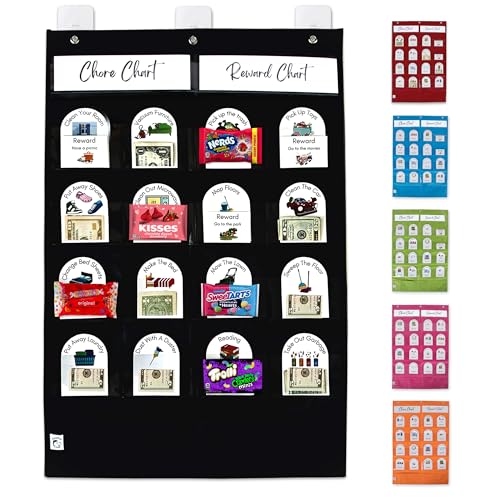 Image source: Amazon
A 30”x20” magnetic chart with 16 clear pockets, this system turns chores into a game-like experience. Kids move task cards to "Done" and see their progress in real time, reinforcing the link between effort and reward.
Key Features:
- 16 pockets for tracking chores and rewards
- 66 customizable cards (50 pre-printed chores, 16 blank chores, 4 rewards, 16 blank rewards)
- Dry-erase marker for quick updates
- Wall-mountable for easy visibility
- ADHD-friendly—great for kids who need structure
Why It Works for Allowance:
- Tangible tracking helps kids visualize earnings (e.g., "5 chores = $5 allowance")
- Immediate gratification keeps motivation high
- Reduces parent reminders—kids self-manage tasks
Best For: Ages 3–12, families wanting a physical, interactive system.
Parent Tip: Pair this with a top-rated brewers for a fun family reward (e.g., "Complete all chores for a week, and we’ll make smoothies together").
2. QUOKKA 95 Reward Chore Chart Cards – Best for Customization
 Image source: Amazon
With 95 magnetic cards covering daily chores, health habits, hobbies, and custom tasks, this system is highly adaptable for different ages and needs. The large fonts and bright colors make it easy for kids to sort and understand.
Key Features:
- 80 thematic cards (chores, health, hobbies)
- 6 personalized cards (write your own tasks)
- 15 functional cards (e.g., "Free Time," "Special Reward")
- Durable cardboard with rounded edges
- Works with any magnetic board (chart sold separately)
Why It Works for Allowance:
- Scalable difficulty—start with simple tasks, add complexity as kids grow
- Encourages independence—kids pick and complete tasks without constant supervision
- Great for neurodivergent kids (autism, ADHD) who thrive on visual schedules
Best For: Families with multiple kids or those who want long-term flexibility.
Parent Tip: Use these alongside eco-friendly STEM toys to reward chores with educational playtime.
3. BayWel 100 Mindfulness Conversation Starter Cards – Best for Emotional Growth
 Image source: Amazon
While not a financial tool, these 100 conversation cards help kids develop emotional intelligence, focus, and self-awareness—skills that directly impact their ability to manage money responsibly.
Key Features:
- 99 topic cards + 1 instruction card
- 7 categories: Focus, Expression, Emotion, Sense, Mindfulness, Questions, Gratitude
- Portable 4"x3" cards for on-the-go discussions
- Therapist-approved for classrooms and home use
Why It Works for Allowance:
- Teaches delayed gratification (a key money management skill)
- Reduces impulsivity—kids learn to think before spending
- Strengthens parent-child communication around goals and values
Best For: Ages 8+, families who want to combine financial and emotional learning.
Parent Tip: Use these during dinner to discuss saving goals (e.g., "What would you do with $20—spend it now or save for something bigger?").
4. Empowering Cards for Kids – Best for Confidence & Discipline
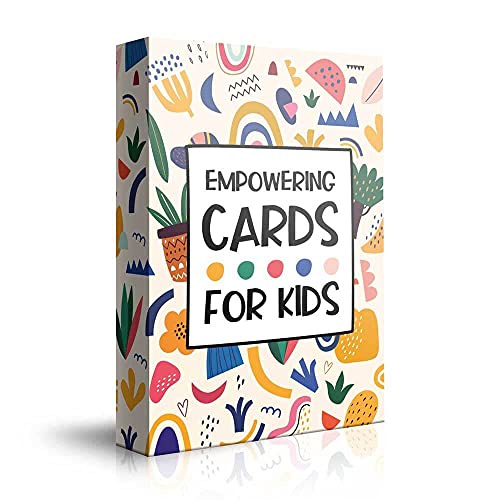 Image source: Amazon
Developed by psychology and mindfulness experts, these 50 cards help kids build self-esteem, resilience, and focus—qualities essential for managing an allowance.
Key Features:
- 5 categories: Self-Esteem, Self-Compassion, Relaxation, Encouragement, Mindfulness
- 10 unique exercises per category
- Beautifully designed box for easy storage
- Suitable for kids, teens, and parents
Why It Works for Allowance:
- Encourages goal-setting (e.g., "I save money for things I really want")
- Reduces stress around money decisions
- Reinforces patience—a critical skill for saving
Best For: Kids who need emotional support alongside financial lessons.
Parent Tip: Pair with a reliable machine for a calming family activity after chore time.
5. 45 Affirmation Cards for Kids – Best for Positive Reinforcement
 Image source: Amazon
Designed with a child psychologist, these 45 high-quality cards use positive affirmations to boost confidence and motivation—key traits for responsible money management.
Key Features:
- Thick 350 GSM paper with glossy finish
- Wooden holder for easy access
- Vibrant animal characters to engage kids
- Versatile uses (lunchbox notes, daily reminders, rewards)
Why It Works for Allowance:
- Reinforces a growth mindset (e.g., "I work hard to earn what I want")
- Encourages persistence in saving for goals
- Makes non-monetary rewards meaningful
Best For: Ages 5–12, families who want to combine emotional and financial growth.
Parent Tip: Use these as bonus rewards for hitting savings milestones.
6. My Behaviour Cards – Best for Special Needs & Communication
 Image source: Amazon
These 27 flashcards help kids with autism, speech delays, or behavioral challenges understand expectations and communicate needs—a foundation for earning rewards.
Key Features:
- Hand-drawn, clear illustrations
- Linen finish, rounded corners for safety
- Bungee clip for portability
- AAC (Augmentative and Alternative Communication) compatible
Why It Works for Allowance:
- Clarifies task expectations (e.g., "Clean room = 1 point toward allowance")
- Reduces anxiety around chores and rewards
- Builds consistency in behavior and effort
Best For: Neurodivergent kids or those who struggle with verbal communication.
Parent Tip: Combine with top math game boards to make learning interactive and rewarding.
7. Animal Fun Fact Cards with Bookmarks – Best for Educational Rewards
 Image source: Amazon
These 20 unique cards double as greeting cards and bookmarks, making them a fun, educational reward for completing chores or hitting savings goals.
Key Features:
- Pop-out animal bookmarks
- Fun facts inside each card
- Matching stickers and envelopes
- High-quality cardstock
Why It Works for Allowance:
- Encourages reading and learning as a reward
- Makes saving feel special (e.g., "Save $10, get a new fun fact card")
- Long-lasting keepsakes (unlike cash, which gets spent)
Best For: Kids who love animals, reading, or collecting.
Parent Tip: Use these as surprise rewards for consistent effort.
8. Decorably 24-Pack Animal Thinking of You Cards – Best for Small Surprises
 Image source: Amazon
A 24-card set with unique animal designs, perfect for lunchbox notes, thank-yous, or "just because" rewards to reinforce positive behavior.
Key Features:
- No repeat designs
- Matching envelopes and stickers
- Pre-printed messages for easy use
- 6×4 inch size (kid-friendly)
Why It Works for Allowance:
- Non-monetary motivation keeps kids engaged
- Encourages gratitude and connection
- Easy to personalize (e.g., "Great job saving this week!")
Best For: Parents who want low-cost, high-impact rewards.
Parent Tip: Slip one into a lunchbox when your child hits a savings goal.
9. 24 Funny Animal Joke Notecards – Best for Humor & Motivation
 Image source: Amazon
These 24 joke cards bring laughter and joy to reward systems, making responsibility fun and memorable.
Key Features:
- Unique hand-drawn animal jokes
- Punchline + bonus illustration inside
- All-in-one set (cards, envelopes, seals)
- 4.5 x 6.25 inch size
Why It Works for Allowance:
- Makes chores feel less like a chore
- Encourages a positive attitude toward earning
- Great for siblings (e.g., "Tell a joke, get a bonus point")
Best For: Families who love humor and creativity.
Parent Tip: Use these as weekly "fun rewards" for consistent effort.
10. First Day of School Card – Best for Milestone Celebrations
 Image source: Amazon
A high-quality blank card to celebrate achievements, new beginnings, or allowance milestones (e.g., "You saved $50—here’s a special note!").
Key Features:
- 4.25 x 5.5 inch card with envelope
- Watercolor pencil artwork
- Thick, durable cardstock
- Blank inside for personalized messages
Why It Works for Allowance:
- Reinforces the value of effort
- Creates lasting memories tied to financial goals
- Encourages reflection on progress
Best For: Special occasions or big savings achievements.
Parent Tip: Give this when your child reaches a long-term savings goal.
How to Choose the Right Allowance Card System
Not all systems work for every child. Consider:
| Factor | Best System Type |
|---|---|
| Age (3–6) | Visual chore charts, behavior cards |
| Age (7–12) | Chore charts, affirmation cards, joke cards |
| Neurodivergent Kids | Visual schedules, behavior flashcards |
| Emotional Growth | Mindfulness, affirmation cards |
| Educational Rewards | Fun fact cards, bookmarks |
| Multiple Kids | Customizable chore systems (QUOKKA) |
Pro Tip: Start with one system, then layer in others as your child grows. For example:
- Toddler: Behavior cards + simple chore chart
- Elementary: Chore chart + affirmation cards
- Pre-Teen: Chore chart + mindfulness cards + prepaid debit card
Integrating Card Systems with Financial Allowance
To maximize impact, combine non-financial card systems with traditional allowance methods:
Earn Points, Then Cash
- Use a chore chart to track tasks.
- Assign points (e.g., 1 point = $0.50).
- Let kids cash in points for money or non-monetary rewards (e.g., a joke card, extra screen time).
Tiered Rewards
- Small tasks = Immediate reward (sticker, joke card)
- Big tasks = Bigger reward (fun fact card, $5)
- Long-term goals = Special celebration (First Day of School card, family outing)
Emotional + Financial Lessons
- Use mindfulness cards to discuss saving vs. spending.
- Pair affirmation cards with savings goals (e.g., "I am patient—I save for what I want").
Example System:
- Daily: Chore chart (1 point per task)
- Weekly: 10 points = $5 allowance + 1 joke card
- Monthly: 40 points = $20 + a fun fact card + family movie night
Common Challenges & Solutions
| Challenge | Solution |
|---|---|
| Kids lose motivation | Rotate rewards (mix money, cards, and privileges) |
| Hard to track progress | Use visual charts (QUOKKA, magnetic chore chart) |
| Siblings argue over fairness | Assign age-appropriate tasks and rewards |
| Kids spend allowance too fast | Pair with mindfulness cards to discuss delayed gratification |
| Neurodivergent kids struggle | Use behavior flashcards + visual schedules for clarity |
Parent Insight: "A common mistake is making rewards too predictable. Surprise bonuses (like a joke card for extra effort) keep kids engaged longer than cash alone."
FAQs About Allowance Card Systems
Q: What’s the difference between a prepaid debit card and these card systems?
A prepaid debit card (like Greenlight or FamZoo) teaches digital money management, while these card-based systems focus on behavior, responsibility, and non-monetary rewards that support financial literacy. The best approach? Use both—chore charts to earn money, then load it onto a debit card.
Q: Can these systems work without giving cash?
Absolutely! Many parents use points, stickers, or special cards as rewards. Over time, you can transition to cash once kids understand the concept of earning.
Q: How often should we use these systems?
- Chore/behavior cards: Daily or weekly
- Mindfulness/affirmation cards: Daily (5–10 minutes)
- Reward cards (jokes, fun facts): As earned (1–2x per week)
Consistency is key—even 5 minutes a day makes a difference.
Q: Are these systems good for teens?
Yes! Mindfulness cards, affirmation cards, and customizable chore systems work well for teens, especially when tied to bigger rewards (e.g., "Complete all chores for a month, get a gift card").
Q: How do I keep my child interested long-term?
- Rotate rewards (mix cash, cards, and experiences)
- Let them choose some rewards (e.g., "Do you want a joke card or extra screen time?")
- Celebrate milestones (e.g., "You saved $50—here’s a special card!")
- Involve them in the system (let them help design chore cards)
Q: Can I use these for kids with ADHD or autism?
Yes! Visual systems (QUOKKA, magnetic chore charts, behavior flashcards) are especially effective for neurodivergent kids. They provide clear expectations, immediate feedback, and reduce anxiety.
Resource: The CDC’s guide on ADHD and routines offers additional strategies for structuring tasks.
Conclusion
The best allowance systems go beyond money—they teach responsibility, discipline, and emotional intelligence in ways that resonate with kids. Whether you choose a visual chore chart, mindfulness cards, or fun reward notes, the key is consistency, clarity, and celebration of effort.
Next Step: Pick one system to start (e.g., a chore chart for young kids or mindfulness cards for emotional growth), and layer in others as your child progresses. For a complete financial + behavioral approach, pair these with a prepaid debit card once they’re ready for real-world money management.
Pro Tip: Bookmark this guide and revisit it as your child grows—what works at age 5 may need an upgrade by age 10!